How to Choose the Suitable Motorcycle Production Line: A Detailed Guide
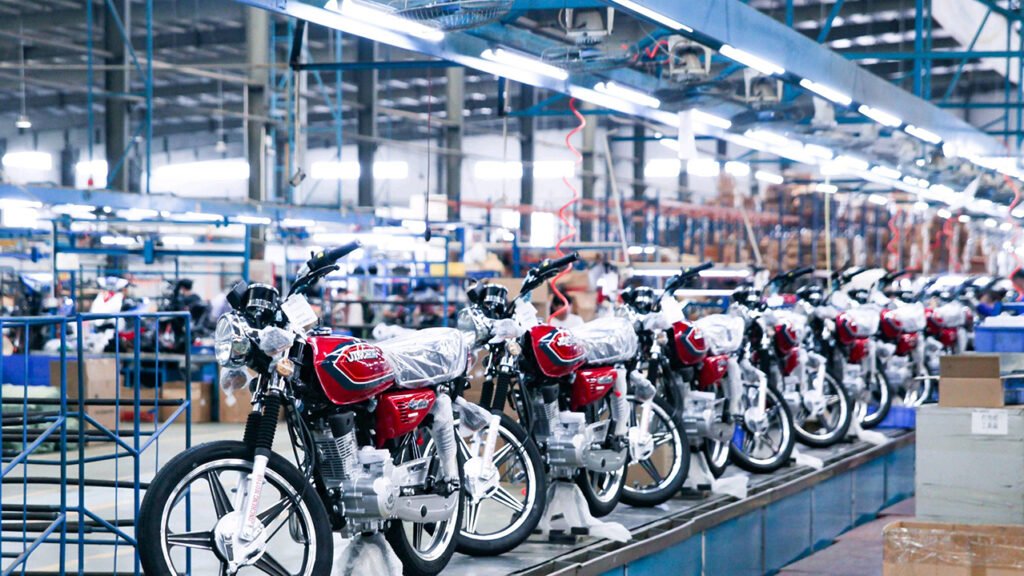
Choosing the right motorcycle production line requires matching the system to your product type, output, and budget. First, define your models and annual target to determine the required takt time. Then, select a conveyor type—like a sturdy slat chain for heavy loads or RGVs. Balance automation levels: use manual lines for low volume, semi-automated for flexibility, or fully automated lines for high-volume consistency. Finally, evaluate suppliers based on industry experience, and calculate total costs including maintenance and labor savings. The best choice efficiently balances throughput, quality, and long-term ROI.
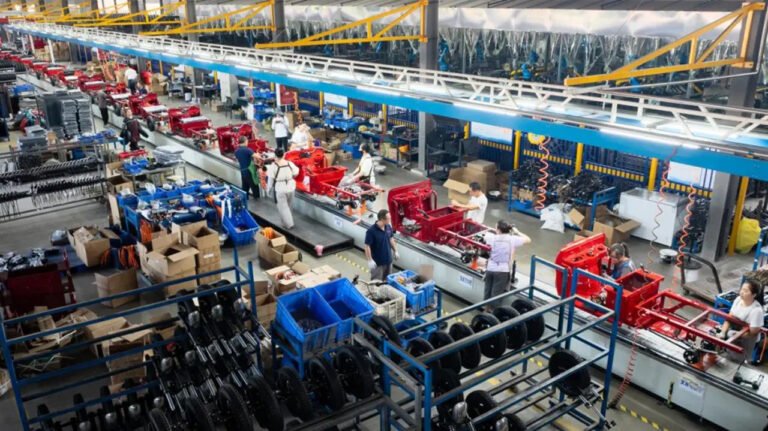
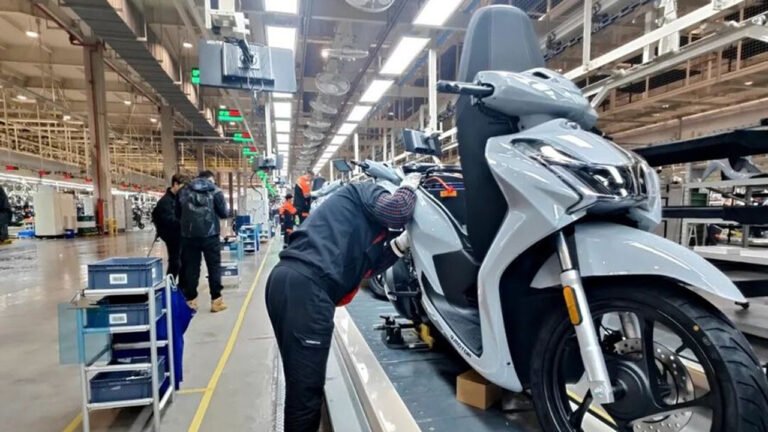
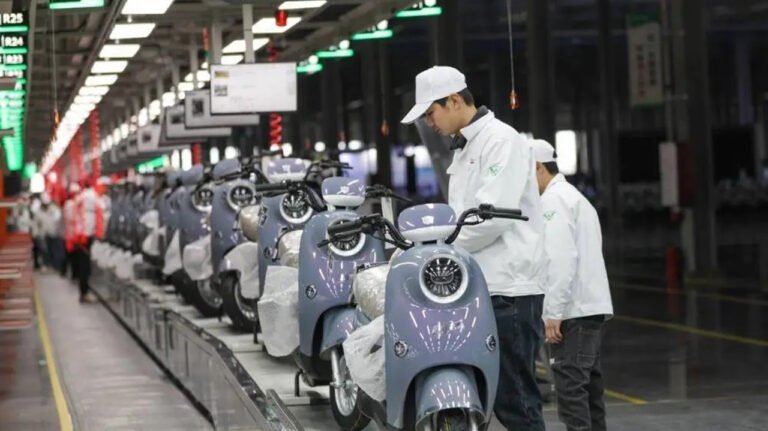
Motorcycle Production Lines are suitable to Assemble/Produce 2 wheel Motorcycles, 2 wheel Scooters, 2 wheel Electric-cycles, 2 wheel E-Bikes, Bicycles, Bikes, and so on. (Sometimes, suitable for the production of Tricycles.)
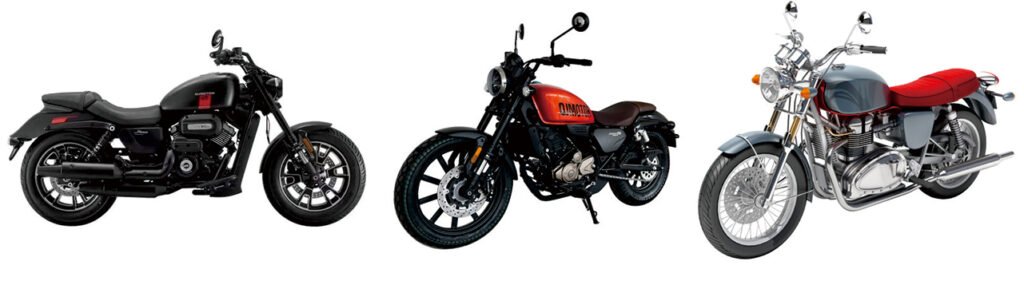
Selecting an appropriate motorcycle production line is a critical step in transforming technical drawings into tangible products. It is not merely an equipment purchase but a strategic decision involving process planning, investment returns, and long-term development. Here is a systematic, detailed guide to help you make an informed judgment:
Step 1: Define Requirements —— Clarify “What to Produce” and “How Many”
This is the foundation for all decisions and needs to be quantified into specific technical parameters:
- Product Object Analysis:
- Model Types: Are you producing 50cc commuter scooters or 800cc heavy cruisers? The dimensions and weight of different models directly determine the line’s load capacity and station spacing.
- Process Specificity: For example, electric vehicles focus on battery and motor assembly, which differs significantly from the engine, fuel tank, and hose routing of traditional fuel vehicles, requiring different fixtures and processes.
- Capacity Target Setting:
- Annual Output & Takt Time: Calculate the production takt time OR increase the assembly line length.
- Peak Capacity: Consider market growth over the next 3-5 years; the production line needs to reserve space for future speed increases or extensions.
- Site and Environmental Survey:
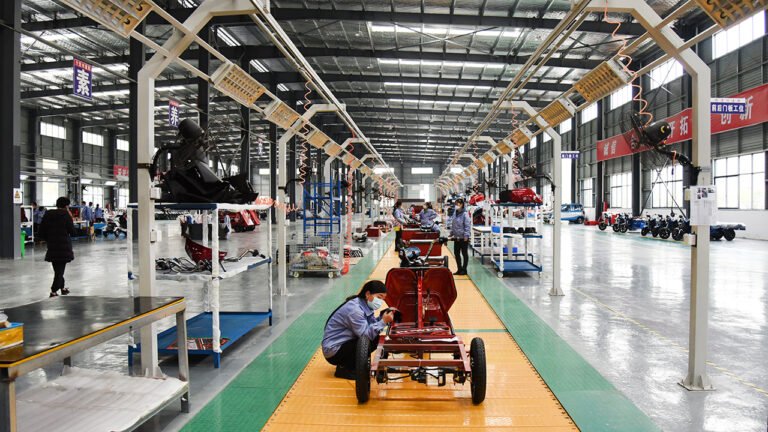
- Measure the available length, width, and height of the workshop. Slat chain lines typically require at least 30-50 meters(OR AS CUSTOMIZED) of straight length (including loading/unloading areas). The distance between columns dictates the maximum width of the line.
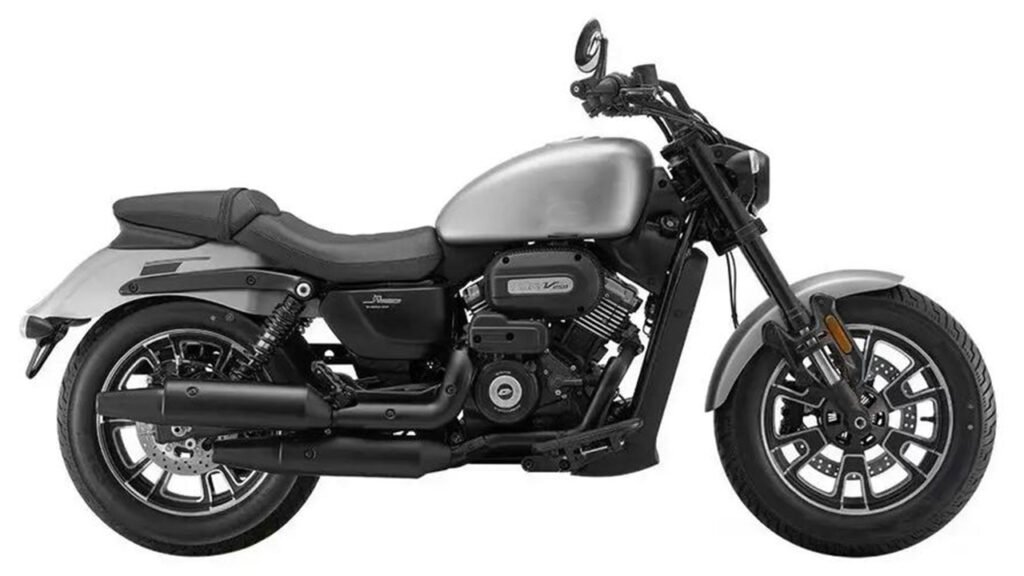
Step 2: Choose a Model —— Determine the Level of Automation
Choose from three mainstream models based on capacity and budget:
| Model | Applicable Scenario | Investment Level | Core Characteristics |
|---|---|---|---|
| Manual/Semi-Automatic Line | High mix, low volume, limited budget | Lower | Uses simple slat chains or rollers, assembly relies on manual labor and torque tools. High flexibility, quick changeover, but quality consistency depends on worker skill. |
| Rigid/Automated Production Line | Low mix, high volume | Higher | Equipped with numerous special machines, presses, automatic glue dispensers, and robots. Extremely high efficiency, excellent product consistency, but high investment and difficult to modify. |
| Flexible Mixed-Flow Line | Medium mix, medium volume | Medium-High | Combines advantages of the above. Uses RGVs or variable-speed slat chains, scans to identify models, automatically calls up different assembly programs and materials. This is the current mainstream trend. |
Step 3: Evaluate Core Equipment —— Focus on Key Performance
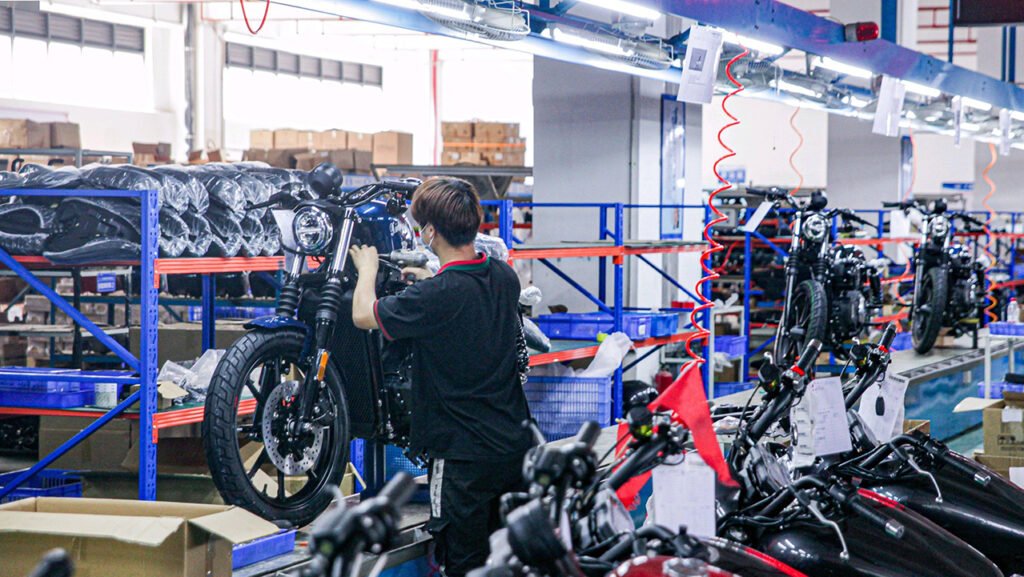
- Conveyor System Selection:
- Slat Chain Conveyor: High load capacity, stable platform, suitable for final assembly main lines.
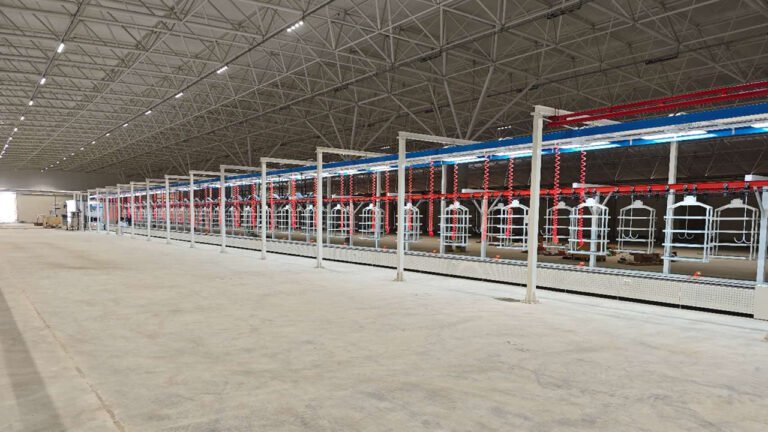
- Overhead Conveyor: Saves floor space, suitable for painting and sub-assembly workshops.
- Friction Drive Overhead Conveyor: Quiet operation, high cleanliness, suitable for engine assembly with high environmental requirements.
- RGV: Highest flexibility, can be freely grouped, suitable for modular assembly.
- Key Station Equipment:
- Automatic Fastening Systems: Do they have data upload capability? Can they monitor both torque and angle?
- Pressing Equipment: Is it equipped with pressure-displacement curve monitoring for real-time quality judgment?
- Inspection Equipment: Are online stations for leak testing, headlight aiming, and brake testing integrated?
- Control System (The Brain):
- PLC Brand & Communication Protocol: Ensure stability and future expansion compatibility.
- MES Interface: The line must have data acquisition and upload capabilities for future integration with a Manufacturing Execution System.
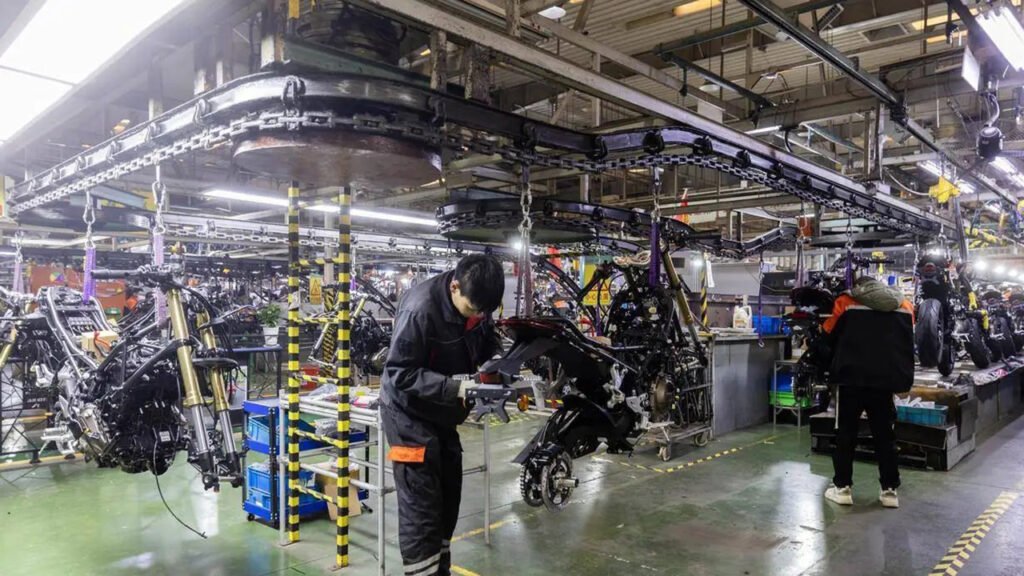
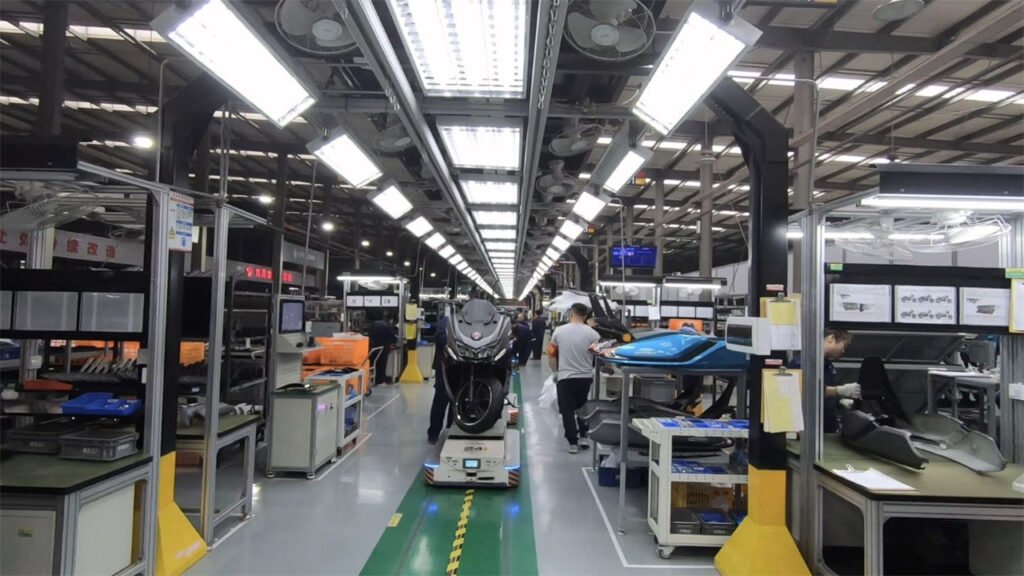
Step 4: Evaluate Suppliers —— Shift from Buying Equipment to Buying Solutions
- Industry Experience: Does the supplier have successful cases with similar models? Have they built lines for comparable classes?
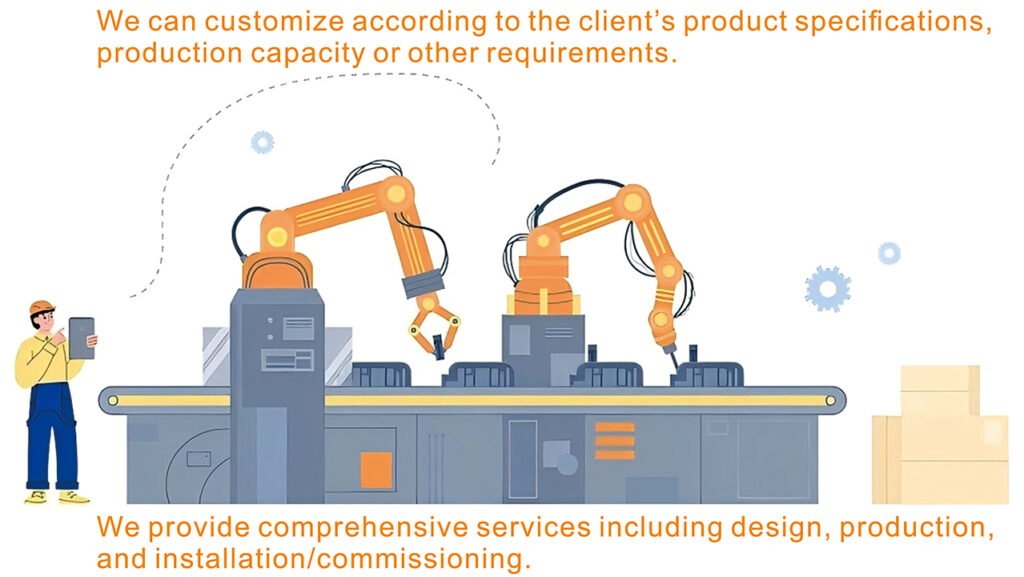
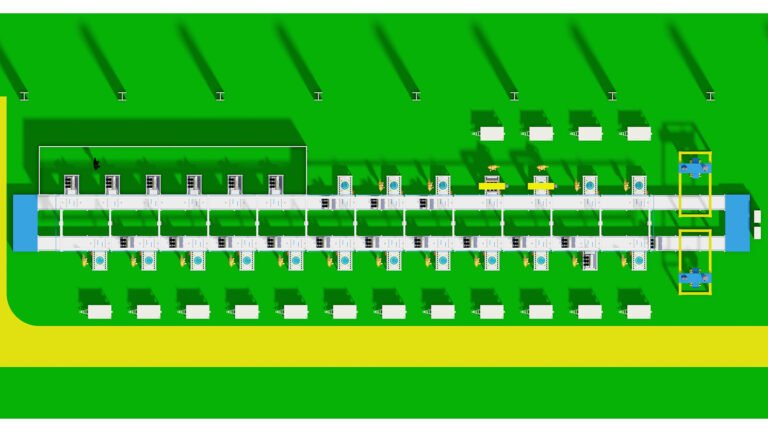
- Design Capability: Good suppliers provide 3D layouts, not just general quotes.
- Manufacturing & Installation Capacity: Do they outsource assembly or have their own factory? This impacts delivery time and quality control.
- After-Sales Service & Training: Can they provide fast spare parts response? Do they offer installation and training service?
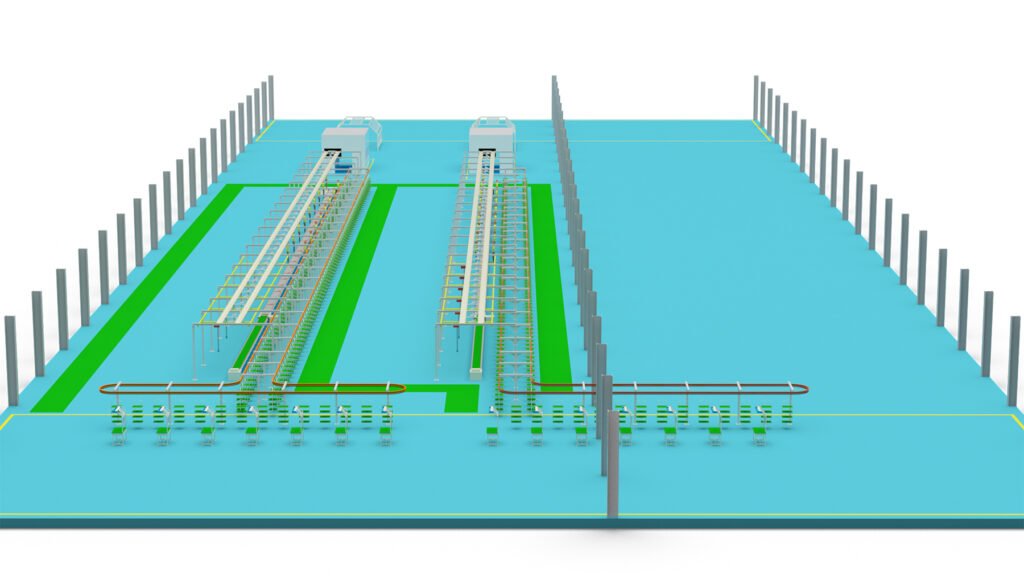
Step 5: Calculate Costs and Returns —— Understand Three Key Figures
- Initial Investment: Equipment purchase cost, transportation, installation & commissioning, foundation work.
- Operating Expenses (OPEX): Energy consumption, wear part replacement, routine maintenance, labor wages.
- Return on Investment (ROI):
- Labor Savings: Automated lines can reduce frontline operators by 30%-50%.
- Quality Improvement: Poka-yoke (error-proofing) techniques reduce rework rates. Savings here often offset increased equipment costs within a year.
Summary
Choosing a motorcycle production line is a logical closed loop that starts from the product, goes through process planning, and ultimately translates into equipment and financials. A recommended decision-making process is:
Define Product → Plan Capacity → Select Process Model → Evaluate Budget → Confirm the solution → Sign Contract
The most suitable production line isn’t necessarily the most advanced or expensive, but the solution that best fits your product characteristics, capacity needs, and team capabilities.
How to set up a Motorcycle Assembly Line factory?
Looking for VIN marking machines? Contact us for more information.
Need Filling Machines? Get expert support—request a quote or let’s talk about your project.
Looking for air compressors? Contact us for more information.
Need assembly tools or other auxiliary equipment? Contact us for more information.
Looking for Motorcycle components? Contact us for more information.