How to Select a Suitable Air Conditioner Production Line?
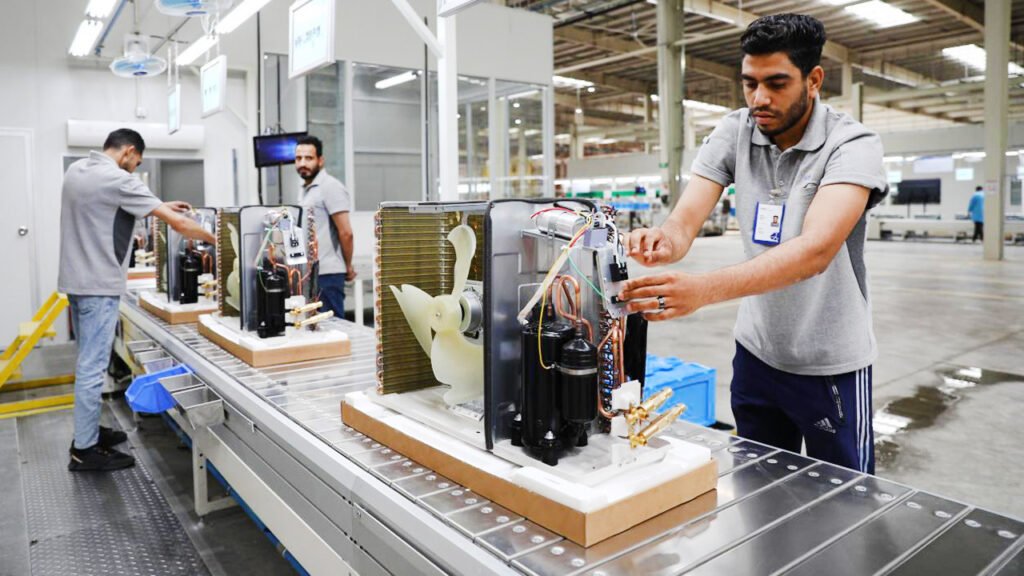
If you want to choose the Suitable Air Conditioner Production Line. First, confirm your daily output, product types (wall-mounted, floor-standing, or central AC), and workshop conditions. Small-batch production can use semi-automatic belt or hand-push lines, while large-scale manufacturing needs double-speed chain, slat chain, or fully automatic lines with robots.
Key processes include pre-assembly, final assembly, vacuum pumping, refrigerant charging, performance testing, and packaging. Prioritize flexibility, quality control equipment (leak detectors, testers), and expandability. Avoid over-automation for small batches and ensure compliance with safety and environmental standards.
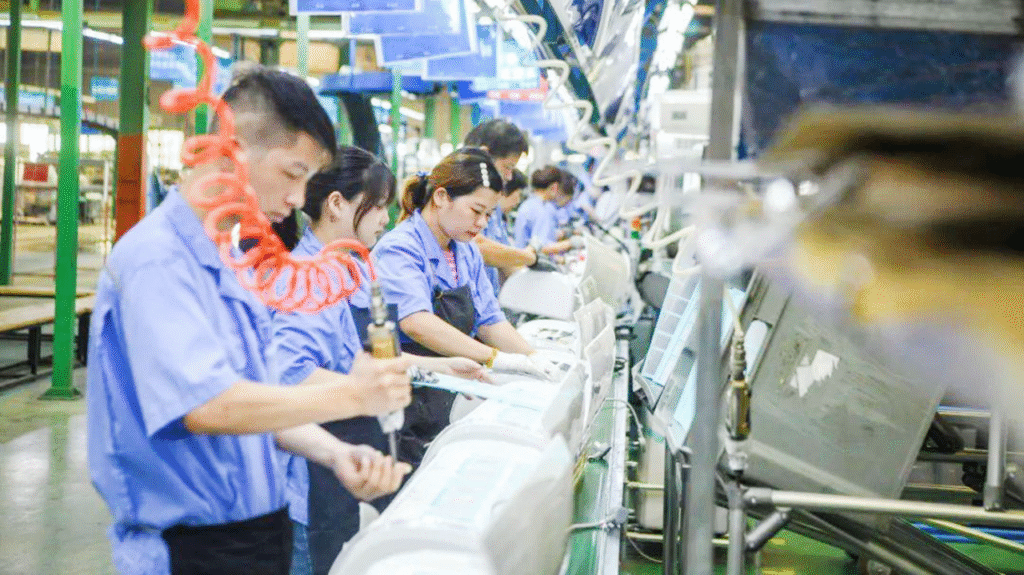
Air Conditioner Assembly Lines/Production Lines are Suitable to Assemble/Produce Air Conditioners.(Welcome to contact us, we will suggest and design the suitable Assembly Lines/Production Lines for your Air conditioners.)
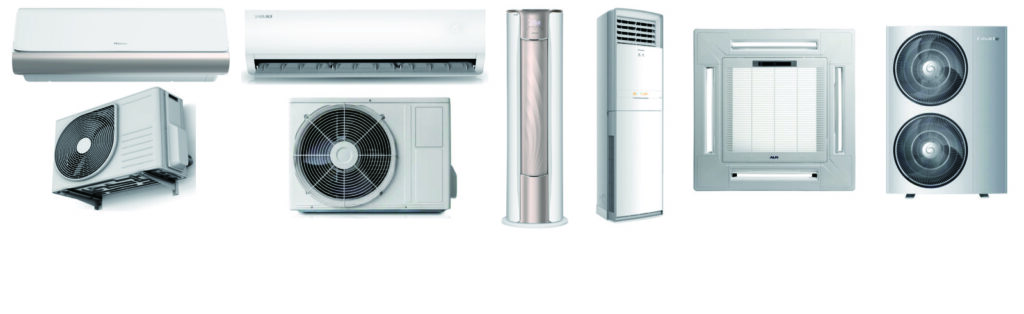
How to Select a Suitable Air Conditioner Production Line
The core principles for selecting an air conditioner production line are to first determine production capacity and product types, then choose line structures and automation levels, and finally match processes and flexibility to ensure a balance of efficiency, quality and cost. Details are explained from four aspects: selection logic, line types, key configurations and selection steps.
I. Core Selection Logic (Clarify First)
1. Define Basic Requirements
- Production Capacity: Daily/monthly/annual output determines line length, cycle time and automation level.
- Small batch: Semi-automatic / hand-push lines
- Medium batch: Double-speed chain / slat chain lines
- Large batch : Fully automatic lines with robots + circular lines
- Product Types: Wall-mounted units, floor-standing units, central air conditioners or heat pumps; plan indoor and outdoor units separately.
- Indoor units: Lightweight and simple structure, commonly using belt lines + double-speed chains
- Outdoor units: Heavy with complex pipelines, commonly using slat chain lines + roller lines + trolley lines
- Process Route: Pre-assembly → Final assembly → Vacuum pumping → Refrigerant charging → Performance testing → Packaging.
- Site Conditions: Workshop area, floor height, load-bearing capacity and logistics passages.
2. Determine Automation Level (Based on Budget & Efficiency)
| Type | Features | Application Scenarios | Efficiency Improvement |
|---|---|---|---|
| Traditional Hand-push Line | Labor-intensive, low cost, good flexibility | Small batch, multi-variety, trial production | Baseline |
| Semi-automatic Line | Automation for key processes, manual assistance | Medium batch, stable orders | +20%–40% |
| Fully Automatic Line | Robots + vision + intelligent testing | Large batch, standardized products | +50%–100% |
| Flexible Intelligent Line | Modular + quick changeover + MES | Multi-variety mixed production, customization | Balances efficiency & flexibility |
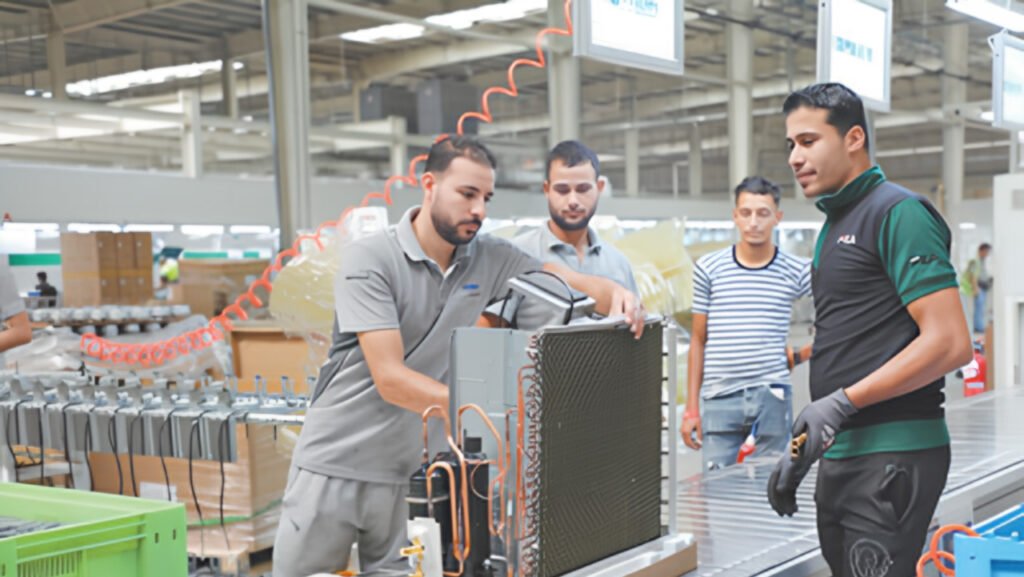
II. Main Line Types & Application Scenarios
1. Conveyor Lines (By Product Weight & Process)
- Belt Conveyor Line: Light load, stable operation, suitable for indoor unit pre-assembly and electrical control assembly.
- Double-speed Chain Conveyor Line: Controllable cycle, accumulation function, suitable for final assembly and packaging, universal for wall-mounted and floor-standing units.
- Slat Chain Conveyor Line: Heavy load, wear-resistant, suitable for outdoor unit chassis and heat exchanger assembly.
- Roller Conveyor Line: Heavy load, easy steering, suitable for outdoor unit rear section, testing and packaging.
- Trolley / Circular Line: Suitable for vacuum pumping, inspection and aging testing, recyclable and space-saving.
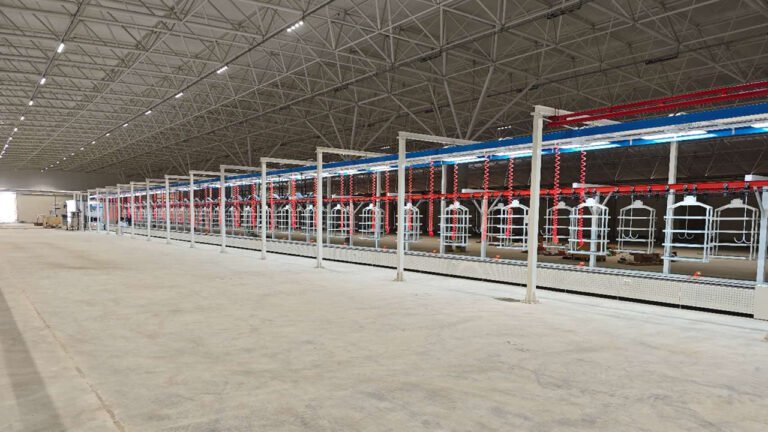
- Overhead Conveyor Line: Used for material distribution and shell spraying, saves floor space.
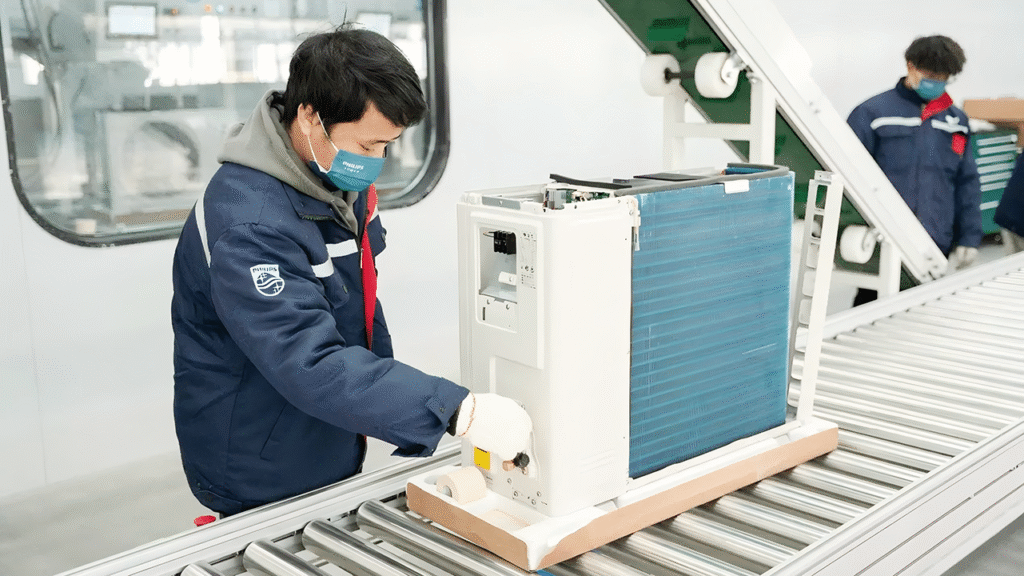
2. Special Lines for Key Sections
- Pre-assembly Line: Assembly of electrical boxes, motors and heat exchangers, with belt lines / independent workstations.
- Final Assembly Line: Main assembly of indoor and outdoor units, mainly double-speed chain / slat chain, equipped with automatic screw fastening machines and manipulators.
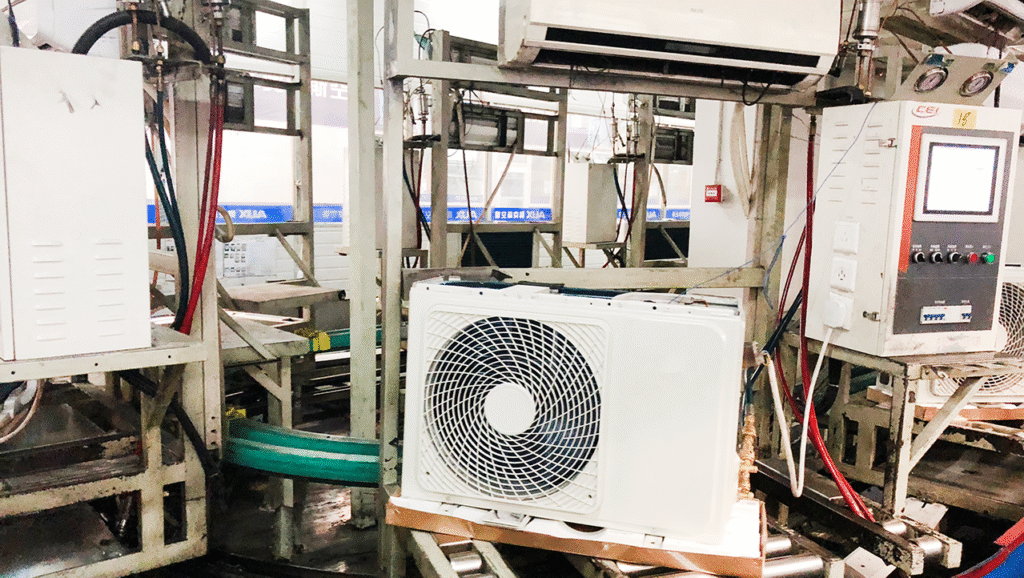
- Refrigerant Line: Vacuum pumping + refrigerant charging, using circular trolley line + high-precision charging machine.
- Testing Line: Performance testing (cooling/heating/noise/leakage), equipped with inspection room + circular line + automatic data collection.
- Packaging Line: Bagging, cartoning, sealing and palletizing, using double-speed chain + robotic palletizer.
III. Key Configuration Selection Points
1. Core Equipment (Determines Quality & Efficiency)
- Assembly Equipment: Automatic screw fastening machines (torque control), 6-axis robots (loading/fastening), laser alignment, torque testers.
- Refrigerant System: High-vacuum pumps, high-precision refrigerant chargers, helium leak detectors (anti-leakage).
- Testing Equipment: Electrical performance testing, enthalpy difference laboratories, noise chambers, airtightness testing, visual inspection (appearance/dimension).
- Logistics & Control: material carts, MES system, workstation displays, andon system, overall PLC control.
2. Flexibility & Expandability
- Modular Design: Adjustable workstations, detachable/splicable lines to support future capacity expansion.
- Quick Changeover: Fast tooling replacement, one-click program switching for multi-model mixed production.
- Reserved Interfaces: Seamless connection for newly added robots, testing stations and information systems.
IV. Implementation Steps of Selection
- Demand Research & Capacity Calculation
- Clarify product list, annual output and takt time.
- Formula: Takt Time = Effective Working Time ÷ Planned Output.
- Line Layout Planning
- Recommended: U-shaped / circular layout (short logistics, concentrated manpower, easy management).
- Zoning: Pre-assembly area, final assembly area, testing area, packaging area, repair area and material area.
- Equipment Selection & Supplier Evaluation
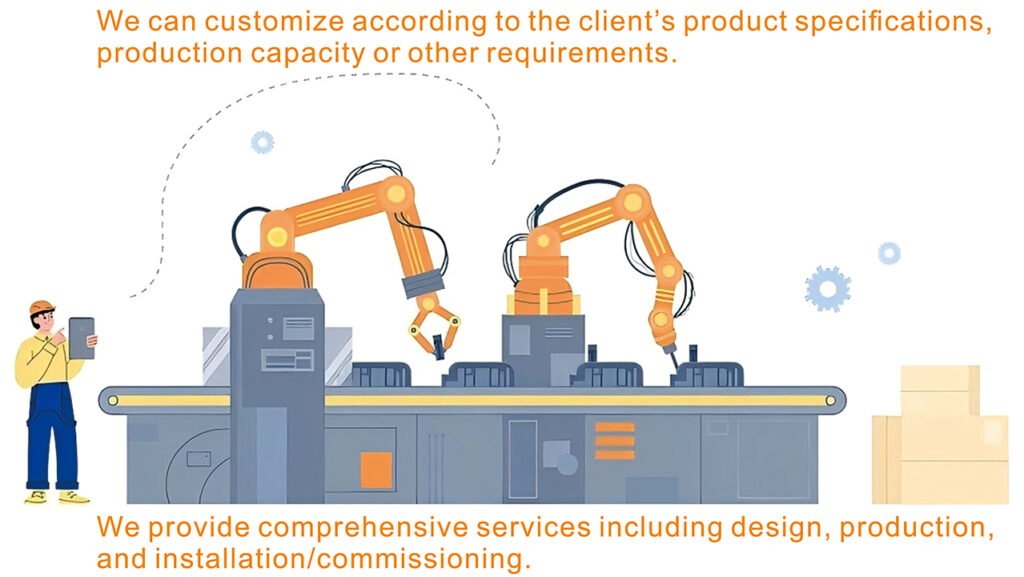
- Priority: Integrated line suppliers (design + manufacturing + installation + commissioning + after-sales).
- Inspect: Cases, delivery cycle, warranty, spare parts, training and upgrade services.
- Installation, Commissioning & Personnel Training
- Sectional commissioning → overall linkage → full-load trial production → acceptance.
- Training: Operation, changeover, maintenance and troubleshooting.
V. Common Pitfalls to Avoid
- Focusing only on price rather than stability and after-sales service, leading to higher downtime losses.
- Planning capacity without 20%–30% redundancy for peak seasons and expansion.
- Ignoring testing and repair lines, resulting in defective products and high rework costs.
- Excessive automation investment, leading to lower efficiency and slow payback in small-batch scenarios.
VI. Quick Decision-Making Table
| Conditions | Recommended Line | Automation | Core Configurations |
|---|---|---|---|
| Small batch, multi-variety, trial production | Hand-push / belt line | Semi-automatic | Manual operation, simple testing |
| Wall-mounted units | Double-speed chain + roller | Semi-automatic | Automatic screw fastening, refrigerant charger, electrical testing |
| Floor-standing / outdoor units | Slat chain + trolley + circular line | Fully automatic | Robots, helium leak detector, inspection line |
| Large batch, standardized | Modular intelligent line | Fully automatic | MES, visual inspection, data traceability |