How to Produce the Electric 2-Wheeler by Production Line?—Electric 2-Wheeler Production Line
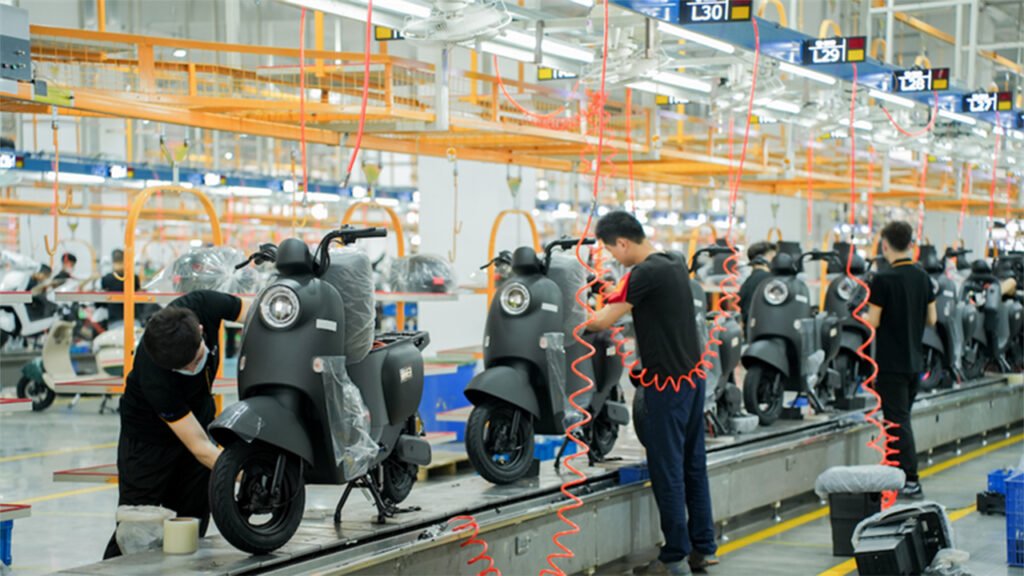
The Electric 2-Wheeler Production Line manufacturing of electric two-wheelers is divided into six stages: First, frames and plastic parts are produced through welding and injection molding; followed by anti-rust painting treatment. Modules like motors and batteries are then pre-assembled on sub-lines. The core final assembly line uses slat chain conveyors to sequentially complete wiring, suspension installation, motor assembly, and component fitting. After assembly, rigorous tests including electrical, braking, and waterproofing are conducted. Finally, the products are packaged and shipped. This entire process achieves systematic and efficient production from raw materials to finished vehicles.
Electric 2-Wheeler Production Lines are suitable to Assemble/Produce Electric 2-wheelers, 2 wheel Electric Motorcycles, 2 wheel Electric Scooters, 2 wheel Electric-cycles, 2 wheel E-Bikes, Electric bikes, Bicycles, Bikes, and so on. (Sometimes, suitable for the production of Tricycles.)
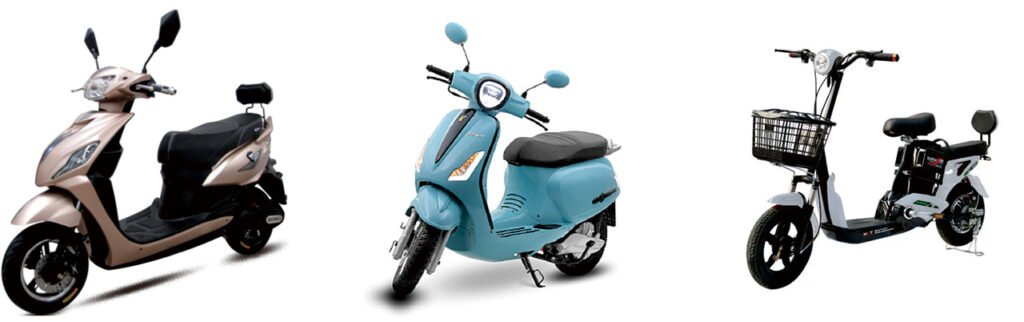
Producing an electric two-wheeler (e-bike, e-scooter, or e-motorcycle) on a production line is a systematic process that transforms raw materials into a finished, rideable vehicle. The process is typically divided into several key stages: Frame Fabrication, Surface Treatment, Pre-Assembly (Sub-assemblies), Final Assembly, and Testing.
Stage 1: Frame and Component Manufacturing
Before assembly begins, the core parts must be made.
- Frame Production: Steel or aluminum tubes are cut, bent, and then welded together—often by robotic welding lines—to form the frame (main frame, swing arm, etc.).
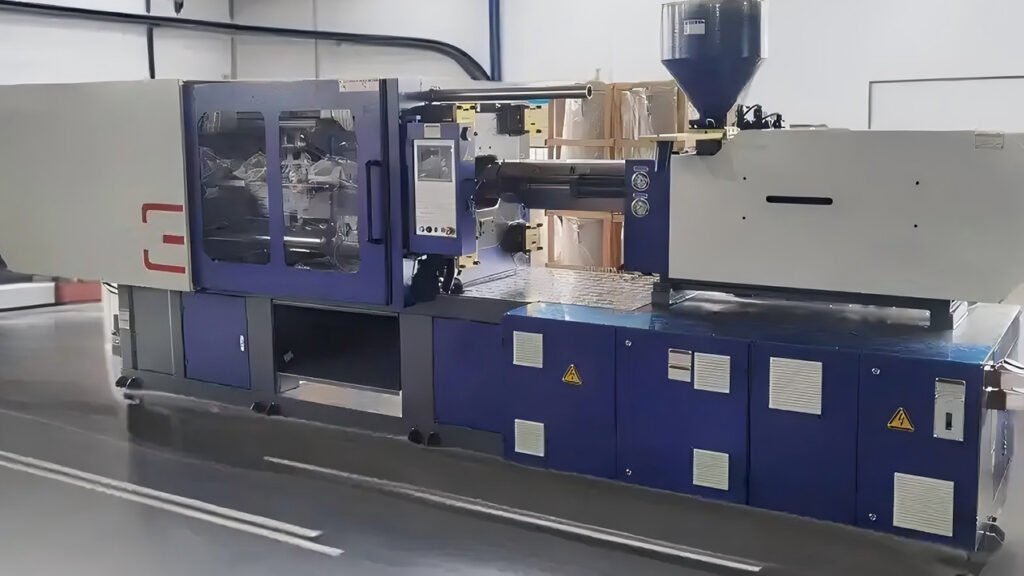
- Plastic Molding: External body parts (fairings, fenders, battery covers) are produced by injection molding machines. The molten plastic is injected into molds to create the precise shapes.
Stage 2: Surface Treatment (Painting)
The bare metal frame needs protection and color.
- Pre-treatment: Frames are cleaned and treated with chemicals to prevent rust (phosphating).
- Coating:
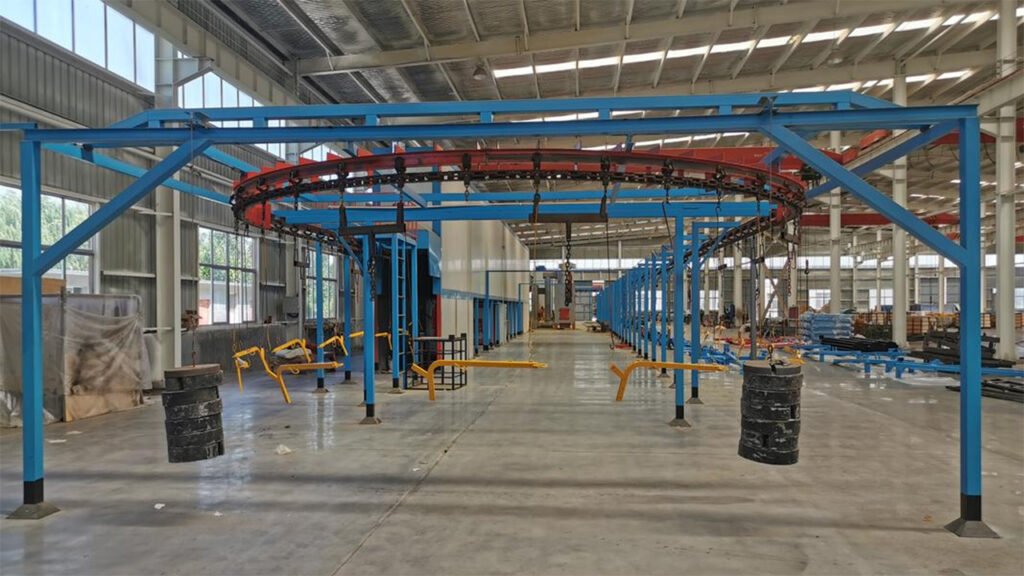
- Cathodic Electrophoresis (CED): The frame is dipped in paint to get a primer coat that reaches every crevice.
- Spray Painting: Robots or skilled workers spray the base color and clear coat onto the frame.
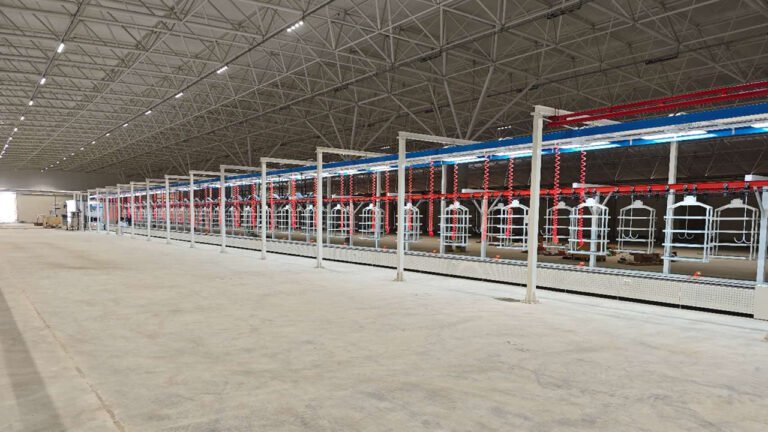
- Drying: The painted frame passes through a large drying oven to cure the paint.
Stage 3: Pre-Assembly (Sub-lines)
To save time on the main line, complex modules are built separately on smaller, parallel assembly lines.
- Motor and Wheel Assembly: The hub motor (or mid-motor) is laced into the wheel rim, and the tire is mounted and balanced.
- Battery Pack Assembly: Individual cells are assembled into a pack, welded with a BMS (Battery Management System), and enclosed in a case. This is often done in a clean, dry environment with strict safety protocols.
- Fork Assembly: The front forks are assembled with the stem and triple clamps.
Stage 4: Final Assembly (The Main Line)
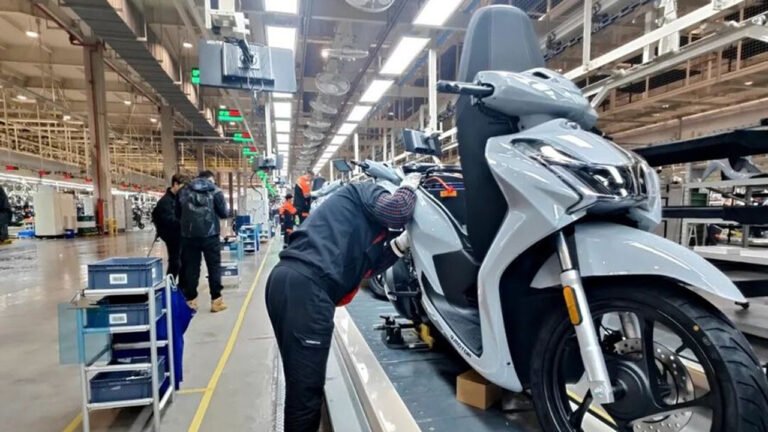
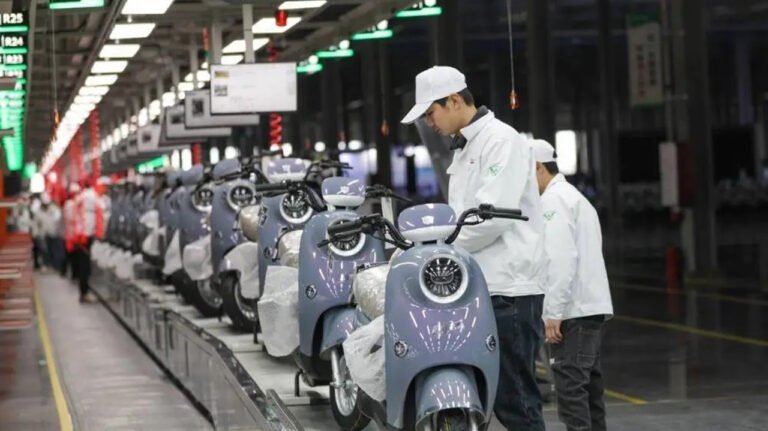
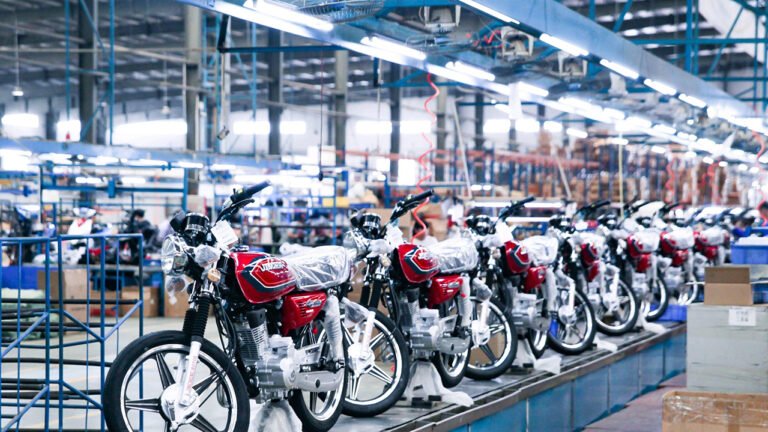
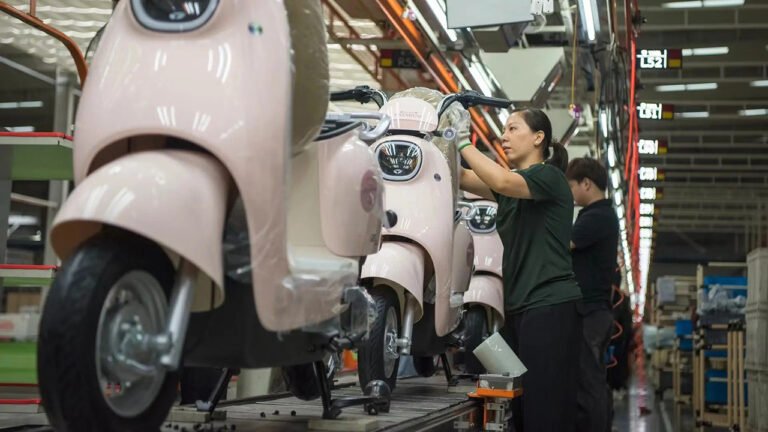
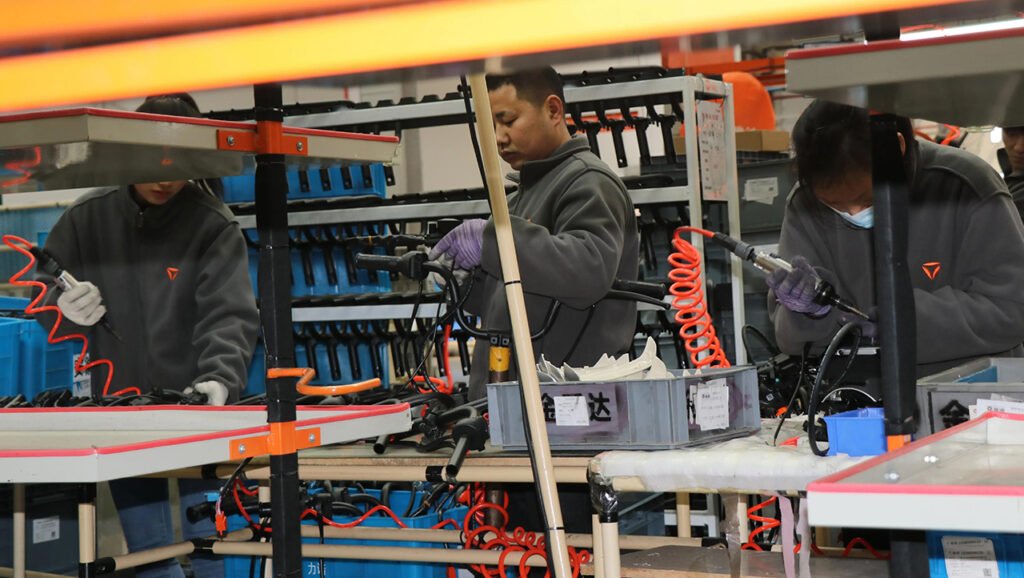
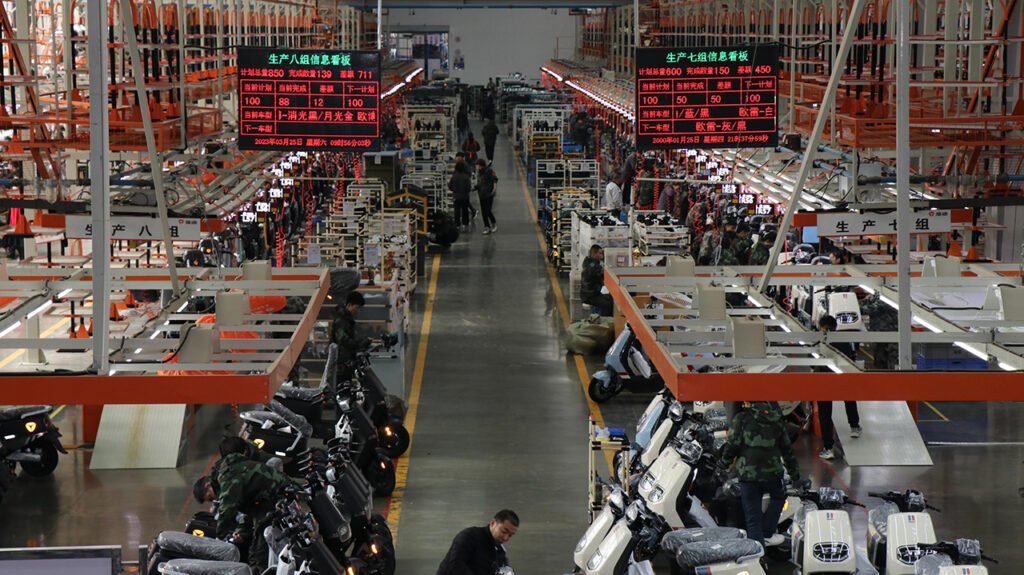
This is the core of the production line, usually a slat chain conveyor or assembly line with fixtures. The frame moves from station to station, and parts are added progressively.
- Frame Loading: The painted frame is placed onto a fixture on the conveyor.
- Wiring Harness Installation: Workers lay the main electrical cables (the “nerves” of the bike) along the frame, securing them with zip ties. (High flexibility task).
- Suspension Installation: Front forks and rear swingarm are attached.
- Motor/Wheel Installation: The pre-assembled wheels are mounted onto the frame. At this station, automatic screwdrivers tighten the axle nuts to precise torque specifications.
- Brake System Assembly: Brake calipers are mounted, and hydraulic lines or cables are connected and bled.
- Battery and Controller Mounting: The battery pack and electronic controller are secured in their designated positions. Electrical connections are made.
- Final Parts Assembly: Handlebars, seat, lights, display, and plastic body panels are installed.
Stage 5: Testing and Quality Control
Once the bike is fully assembled, it must be verified before shipping.
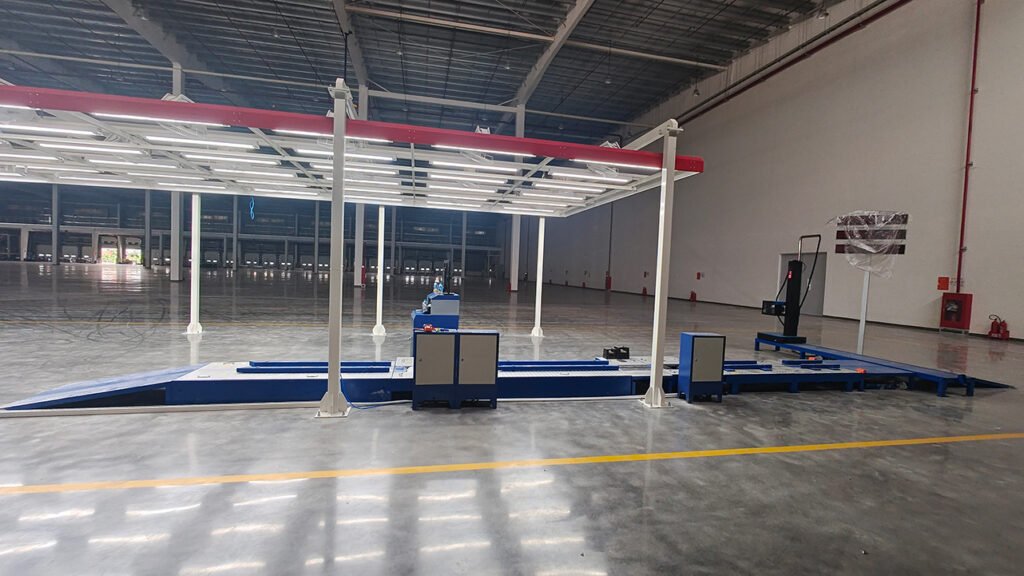
- Electrical Test: A diagnostic tool is plugged in to check the controller, motor response, throttle, and BMS communication.
- Roller Test: The bike is placed on a dynamometer (treadmill) . The tester runs the motor to check speedometer accuracy, power output, and simulate road conditions.
- Brake Test: Braking force is measured to ensure safety standards.
- Lighting and Alignment Check: Headlights are aimed, and the wheel alignment is checked.
- Waterproof Test (Optional): The bike goes through a “rain room” where it is sprayed with water to check the waterproof seals (IP rating).
- Visual Inspection: A final check for scratches, gaps in plastic parts, and overall fit and finish.
Stage 6: Packaging and Logistics
The finished electric two-wheeler is partially disassembled (e.g., handlebars turned, pedals removed) to fit into a cardboard box or steel cage, then loaded for shipment to dealers or customers.
How to set up an E-scooter Assembly Line factory?
Looking for VIN marking machines? Contact us for more information.
Looking for air compressors? Contact us for more information.
Need assembly tools or auxiliary equipment? Contact us for more information.
Looking for E-scooter components? Contact us for more information.