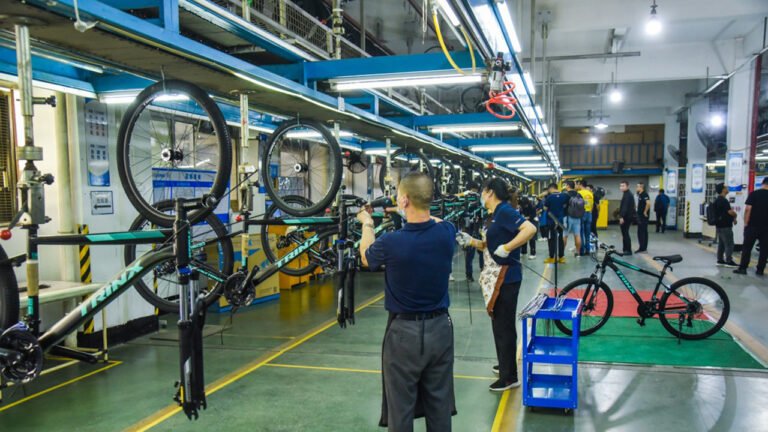
Characteristics of E-scooter Assembly Lines—–Characteristics of Electric Two-Wheeler Assembly Lines
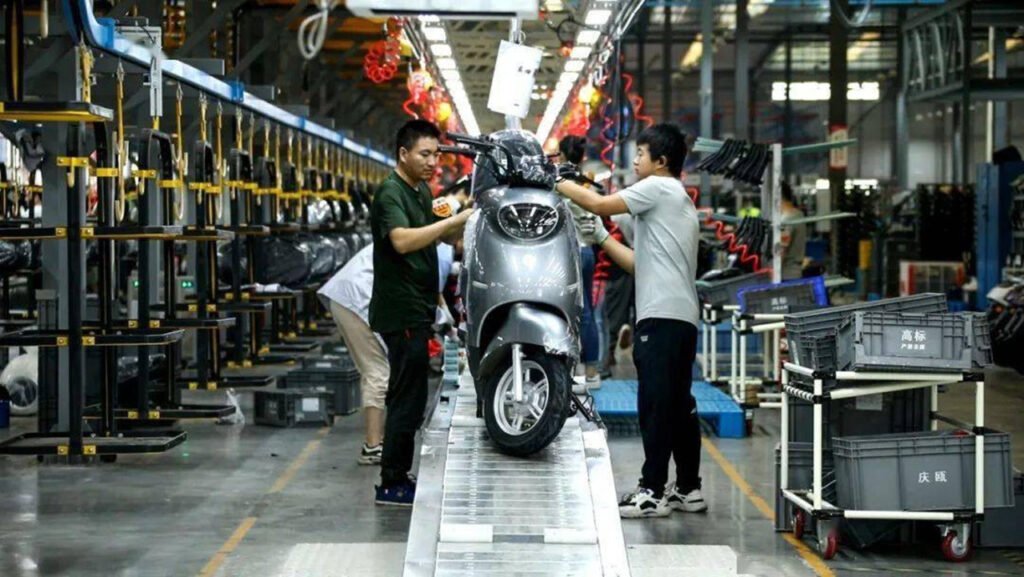
Characteristics of Electric Two-Wheeler Assembly Lines
I. Flexibility and Modularity
- Multi-Model Mixed Production
Assembly lines typically support the mixed production of different models and specifications of electric two-wheelers (e.g., lightweight e-bikes, electric motorcycles, battery-swapping models). They utilize flexible tooling and adjustable processes to accommodate diverse requirements. - Modular Assembly
Employs modular assembly (e.g., frame, battery, motor, controller, instrument panel, wheels). Modules can be pre-assembled in parallel and finally integrated on the main line, improving efficiency.
II. Combination of Lightweighting and Automation
- Semi-Automation as the Main Approach
Due to the relatively simple product structure and smaller component size compared to automobiles, most processes still rely on manual labor. However, key stations incorporate automation:
- Automatic Tightening Systems: For applying precise torque to critical bolts (motor, axles, brakes).
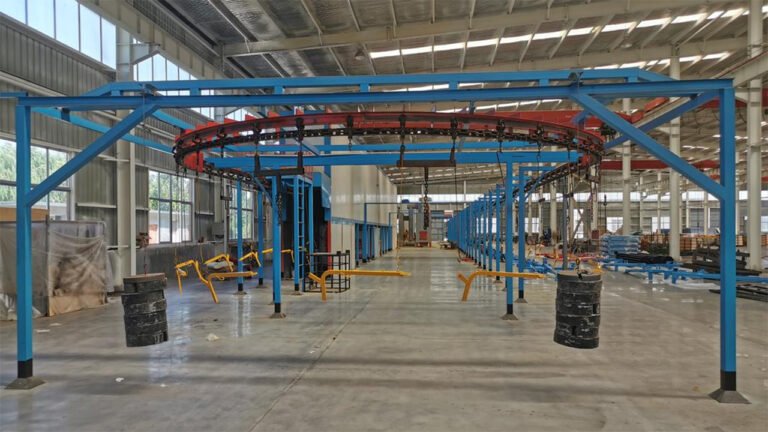
- Automated Painting/Welding: Robotic welding and spraying may be used for frames (in high-end models or large-scale production).
- Battery Pack Installation: Partially assisted by robotic arms.
- Automated Testing: Such as electrical performance tests, brake tests, light calibration, etc.
- Manual Labor-Dominant Assembly Stages
Steps requiring flexible operation, like wiring harness routing, instrument installation, and shell assembly, are primarily manual. Line design emphasizes ergonomics (e.g., lift tables, assistive manipulators).
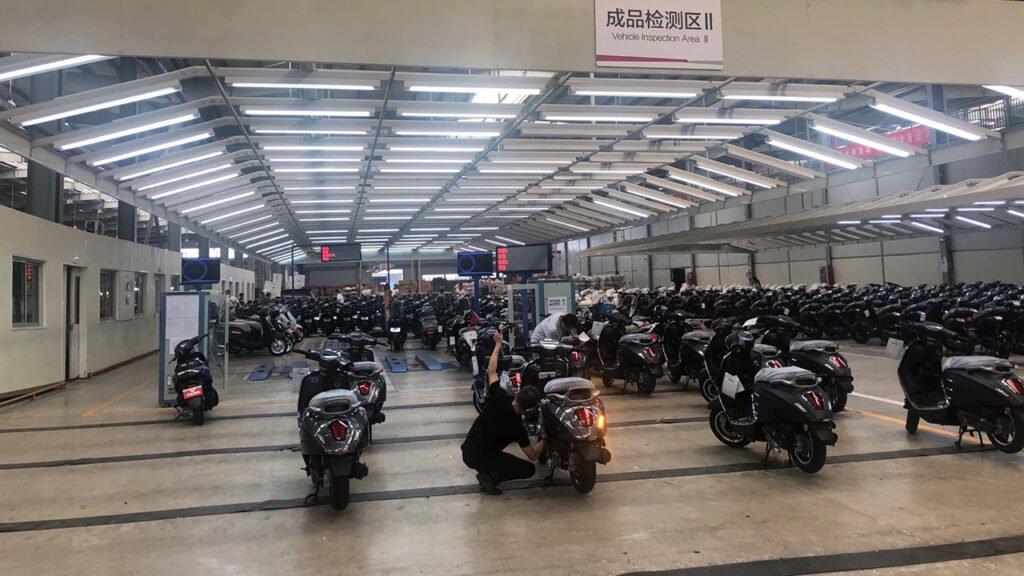
III. Integration of Electrification and Intelligence
- Central Focus on Electrical Systems
Dedicated “electrical assembly zones” are established, focusing on:
- Battery (installation, securing, connection).
- Motor and controller connections.
- Wiring harness integration and waterproof testing.
- Charging port and BMS (Battery Management System) testing.
- Intelligent Debugging Stations
- Full Vehicle Electrical Inspection: Automatic diagnosis of controller, battery, and sensor status via CAN bus or Bluetooth.
- Software Flashing: Writing firmware or parameters for motor controllers, instrument panels, etc.
- Functional Testing: Automated tests for lights, brake cut-off, pedal-assist sensors, etc.
IV. High Requirements for Quality Control and Safety
- Multiple Inspection Points
- Battery Safety Testing: Insulation resistance, voltage, communication function.
- Waterproof Testing: Water spray or air-tightness tests for battery compartments, controllers, charging ports.
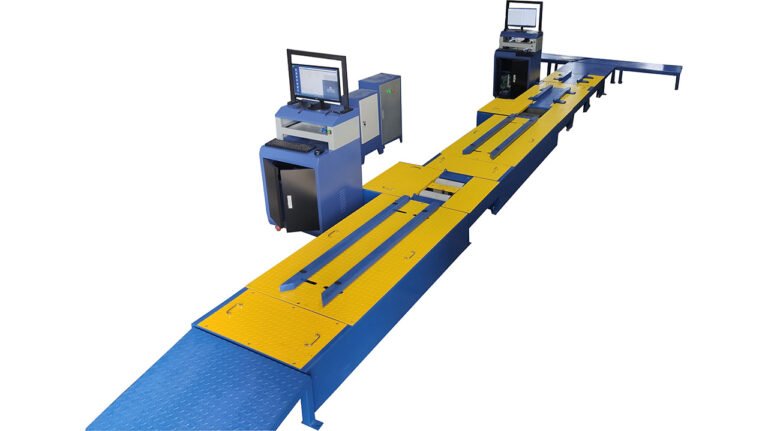
- Dynamic Testing: Roller test benches simulate riding to detect abnormal noises, braking performance, and motor operation.
- Safety Regulation Certification: Compliance with national standards (GB) or other standards.
- Traceability Systems
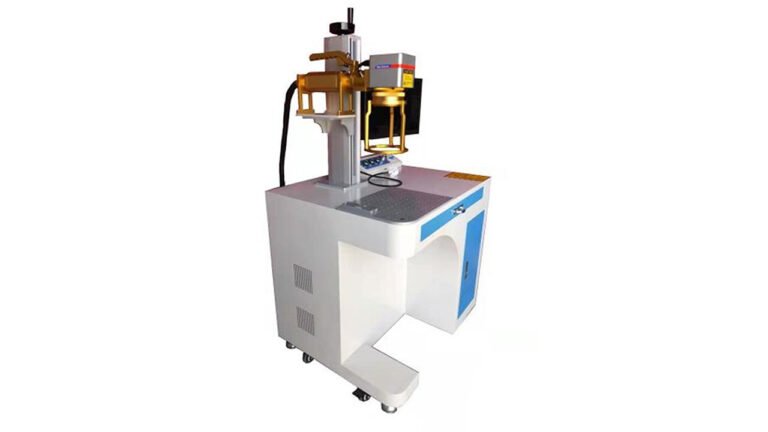
Scanning and binding frame numbers, battery numbers, and motor numbers enables full lifecycle traceability of critical components.
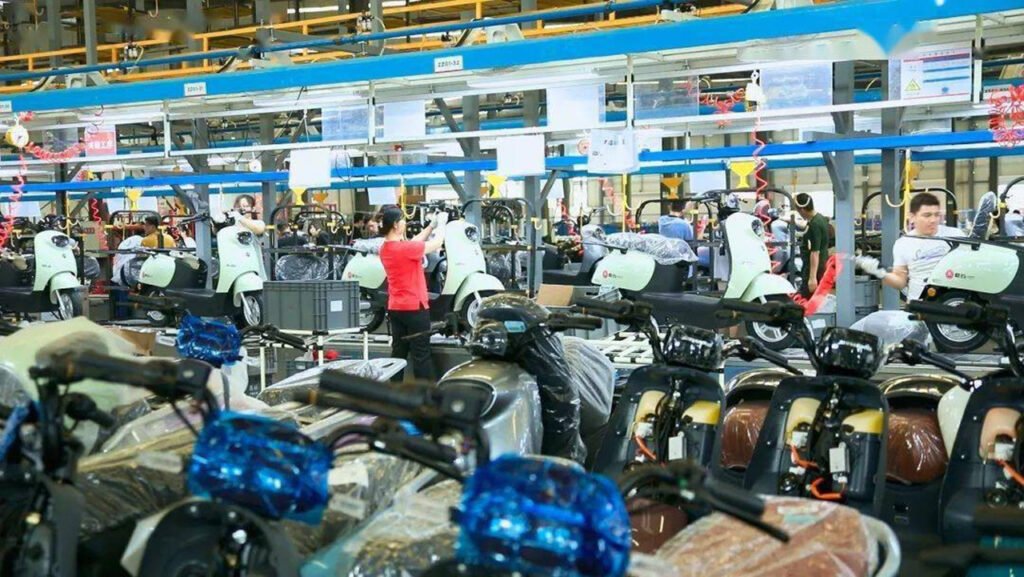
V. Fast Cycle Times and Lean Production
- High Cycle Time Design
Large-scale production lines can achieve cycle times of 1-2 minutes per unit, utilizing flow lines or cellular layouts to balance process times. - Lean Material Delivery
Materials are kitted per model (SPS delivery). AGVs or conveyors deliver large items like batteries and tires to workstations, reducing handling.
VI. Environmental and Energy-Saving Design
- Low-Emission Processes
Welding fume treatment, water-based paint spraying, designated areas for used battery recycling. - Energy Management
Energy-saving monitoring for lighting and equipment, with a particular focus on energy recycling in battery testing areas.
Summary
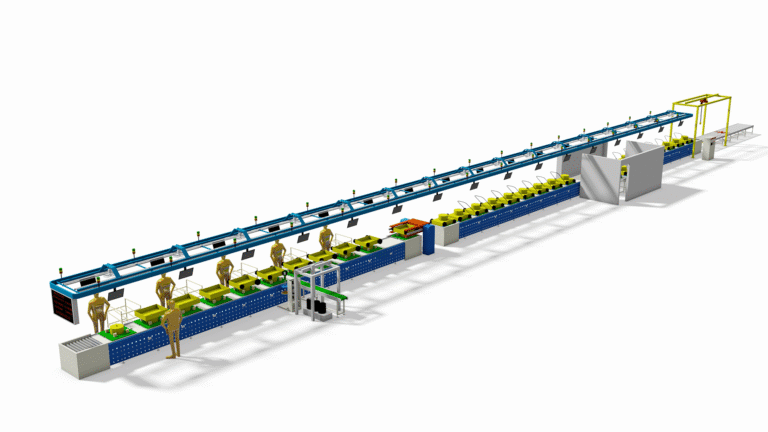
Electric two-wheeler assembly lines are flexible, human-machine collaborative flow lines with deep integration of electrification. While maintaining traditional mechanical assembly foundations, they significantly enhance electrical system testing, intelligent debugging, and safety/quality control. As product iterations accelerate, production lines are evolving towards higher automation, digitization (e.g., digital twin monitoring), and flexibility to meet the market demand for “small batch, multi-variety” production.