Application of Air Compressors on Automotive Assembly Lines—Assembly Lines Auxiliary Equipment—Air Compressor for Factory
1. Primary Application Scenarios for Assembly Line
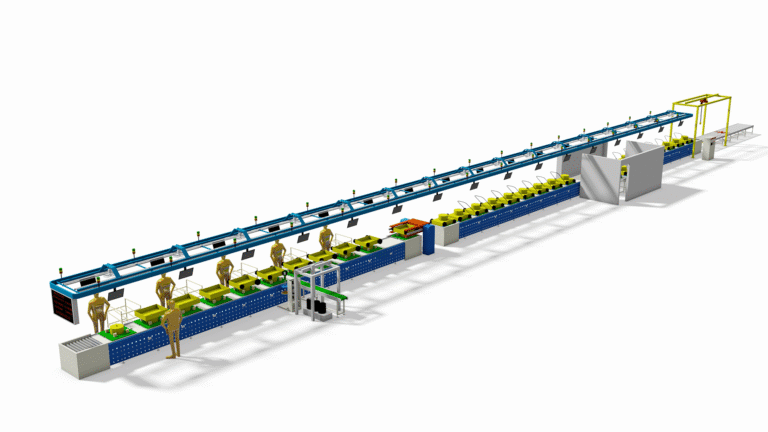
General Assembly Shop:
Critical Fastening Tools:High-precision servo or pulse tightening tools for safety-critical fasteners like wheel bolts, chassis bolts, and engine mounts. These require exceptionally stable and dry compressed air as a power or control source, as torque accuracy is directly related to safety.
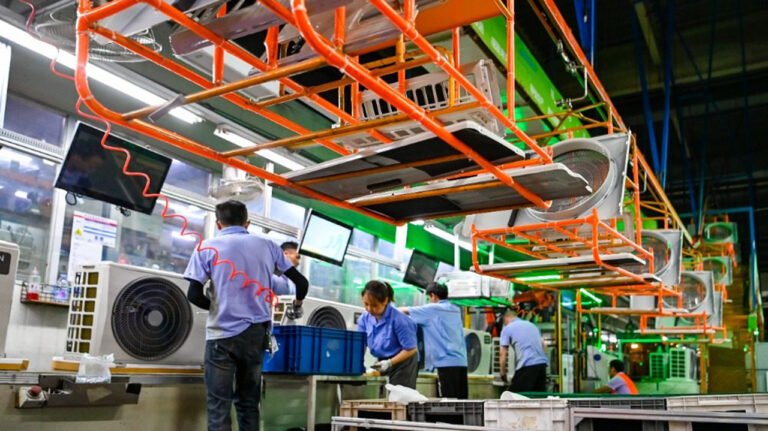
Balancers / Manipulators: Assist workers in effortlessly and precisely installing heavy components like seats, dashboards, batteries, and tires.
Pneumatic Assembly Tools: Air ratchets, screwdrivers, rivet guns for various fastening tasks.
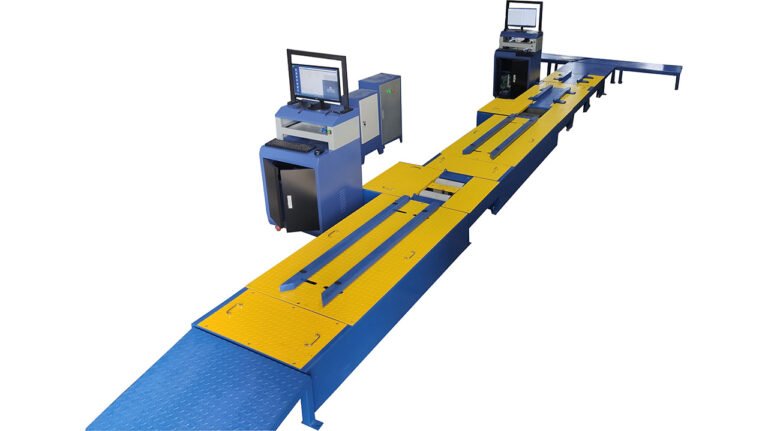
Testing and Inspection:
Windshield and door seal integrity tests (air decay tests).
Engine and transmission leak tests.
Brake system testing.
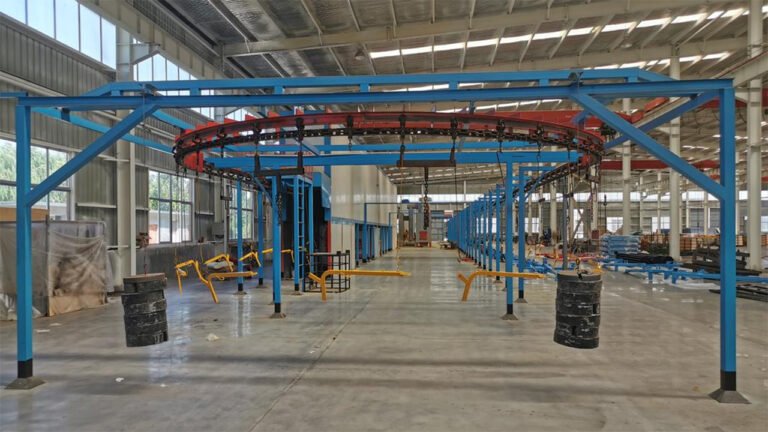
Material Handling and Control: Pallet positioning on the line, door open/close mechanisms, various pneumatic valves and control elements.
2. Air Compressor Selection and System Configuration Trends
Main Compressor Type Selection:
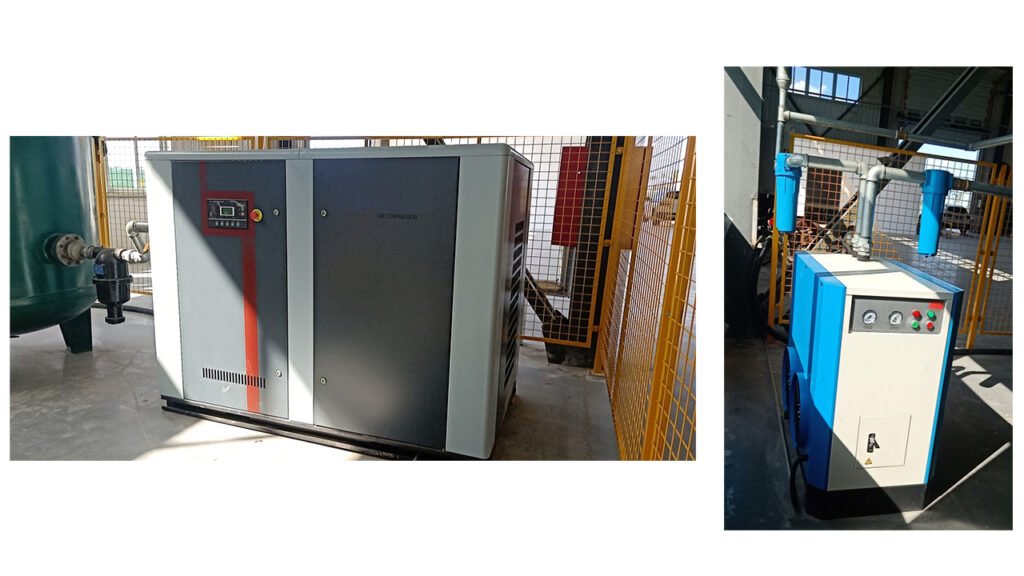
Mainstream & Preferred Choice: Permanent Magnet Variable Frequency Drive (VFD) Screw Air Compressors. Their high efficiency, stable output, and rapid response perfectly match the volatile, high-demand nature of production lines, making them the standard for new projects.
Large Central Rooms May Use: Centrifugal Air Compressors. To provide a stable base load, combined with VFD screw compressors in an efficient “centrifugal for base load + VFD screw for trimming” setup.
Key System Components:
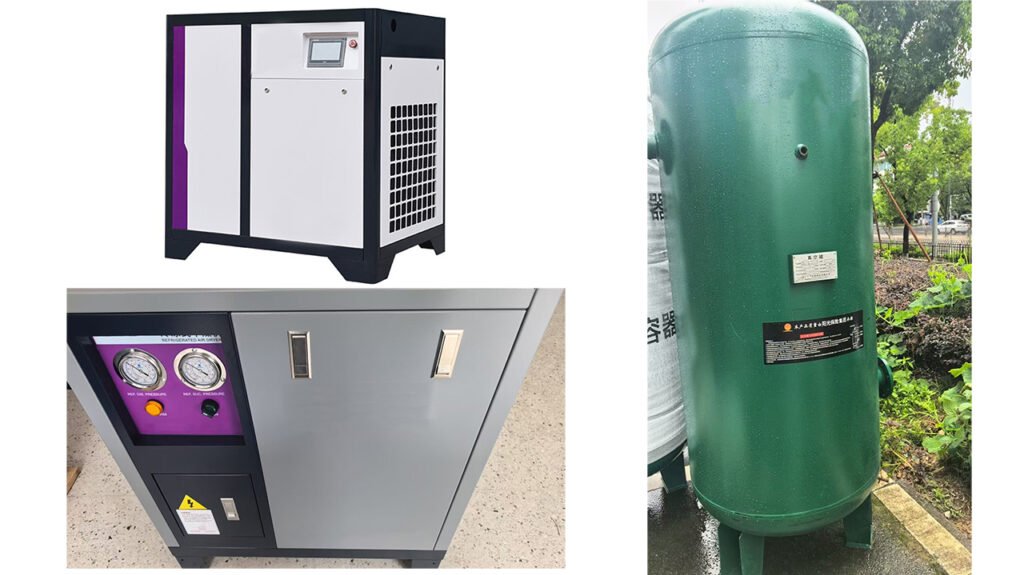
The After-treatment “Trifecta”:Air Receiver (for damping and stabilization) + Refrigerated/Adsorption Dryer (for deep drying) + Multi-stage Precision Filters (for oil and particle removal) are the lifeline for air quality.
Piping System: Designed as a closed-loop ring main to prevent end-of-line pressure drops, using high-quality stainless steel or anodized aluminum pipes to prevent secondary contamination and corrosion.
Intelligent Central Control System: Networks multiple compressors, dryers, and filters for intelligent, demand-based sequencing control, optimizing the entire station’s energy efficiency.
Energy Recovery Systems: Recovering waste heat from compressors for space heating or process hot water is a significant energy-saving measure for large automotive plants.