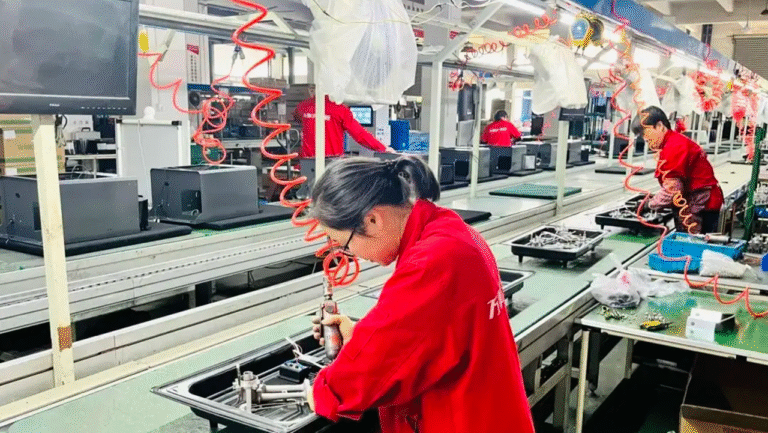
How to Choose a Suitable Refrigerator Assembly Line?—Fridge Production Line
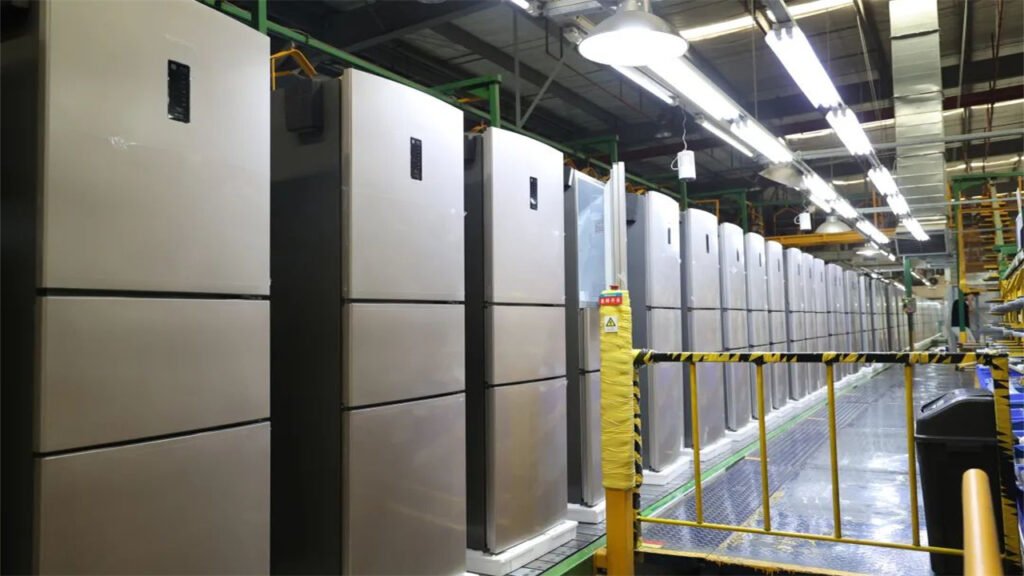
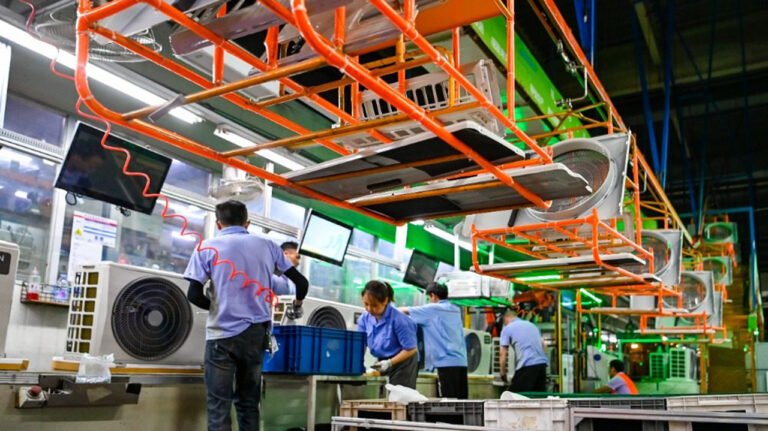
Fridge Assembly Lines/Production Lines are Suitable to Assemble/Produce Fridges.(Welcome to contact us, we will suggest and design the suitable Assembly Lines/Production Lines for you.)
Selecting an appropriate refrigerator assembly line is a comprehensive decision-making process that requires consideration based on the specific needs, budget, and long-term development strategy of the enterprise. The following are the key steps and factors to systematically evaluate when choosing a refrigerator assembly line:
1. Clarify Core Needs and Objectives
- Production Scale and Capacity:
- Annual Output: Define the target annual output for the current and next 3–5 years (e.g., 100,000, 500,000, or over 1 million units).
- Production Cycle Time: Calculate the required production time per unit (in seconds/unit or minutes/unit), which determines the operating speed of the assembly line.
- Work Schedule: Consider single-shift, double-shift, or three-shift production, as this affects the durability and automation level of the equipment.
- Product Characteristics:
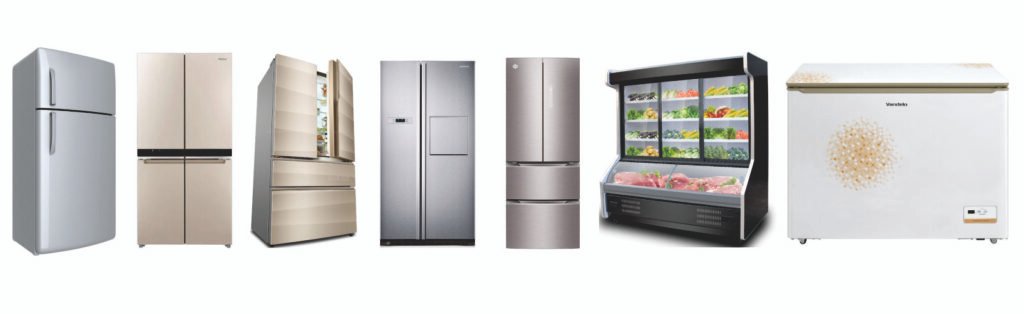
- Product Type and Size: Is it single-door, double-door, side-by-side, multi-door refrigerators, or customized/built-in products? What is the size range?
- Product Complexity: The assembly process for high-end smart refrigerators is more complex than that for basic models and may require more precise workstations and testing equipment.
- Production Line Flexibility: Is frequent switching of production lines required to accommodate multi-model, small-batch production (flexible manufacturing)?
- Process and Quality Standards:
- Define key process steps: such as cabinet foaming, door foaming, inner liner vacuum forming, assembly, testing (leak testing, performance, electrical safety), packaging, etc.
- Determine internal quality control standards and industry/international certification requirements (e.g., ISO, UL, CE).
2. Evaluate Assembly Line Types and Configurations
- Level of Automation:
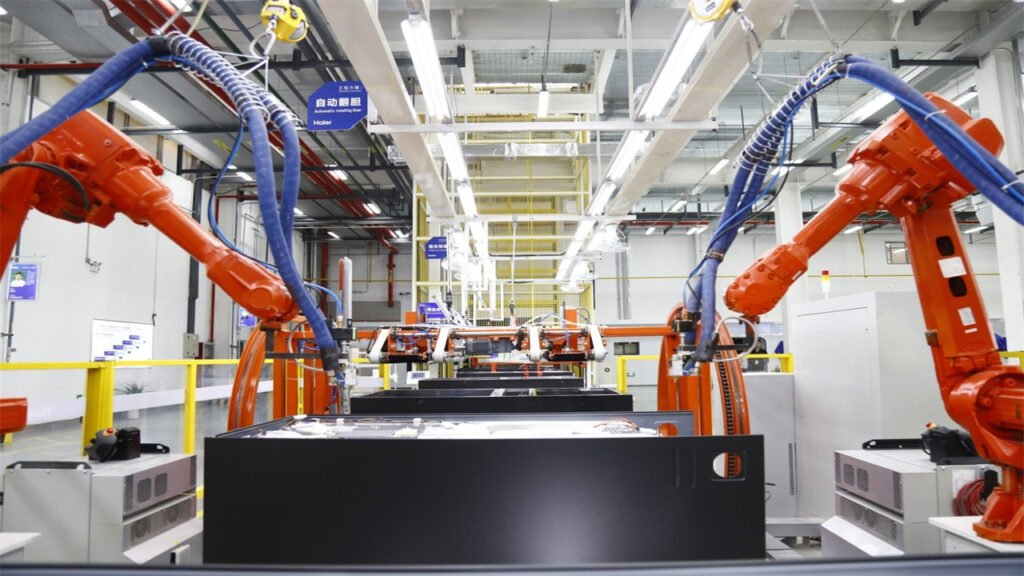
- Fully Automated Assembly Line: Suitable for large-scale, standardized production. Requires significant investment but offers extremely high efficiency, consistent quality, and low labor costs. Ideal for large manufacturers with an annual output exceeding 500,000 units.
- Semi-Automated Assembly Line: Core processes (e.g., foaming, testing) are automated, while assembly and material handling are done manually. Offers high cost-effectiveness and flexibility, making it the preferred choice for most medium-sized enterprises.
- Modular Flexible Assembly Line: Composed of standardized modules that can be quickly reconfigured to adapt to different products. Suitable for enterprises with rapid product iterations and high customization requirements.
- Manual/Simple Assembly Line: Minimal investment, fully reliant on manual labor, with efficiency and quality heavily dependent on workers. Only suitable for small-scale startups or specific low-volume processes.
- Key Process Equipment Selection:
- Foaming Line: The core of refrigerator production. Focus on the brand of foaming machines (e.g., Hennecke, Cannon), mixing head technology, mold temperature control accuracy, curing time, etc. Closed-loop high-pressure foaming machines are mainstream.
- Vacuum Forming Line: Used for inner liner manufacturing. Focus on heating methods, forming accuracy, cycle time, and material utilization.
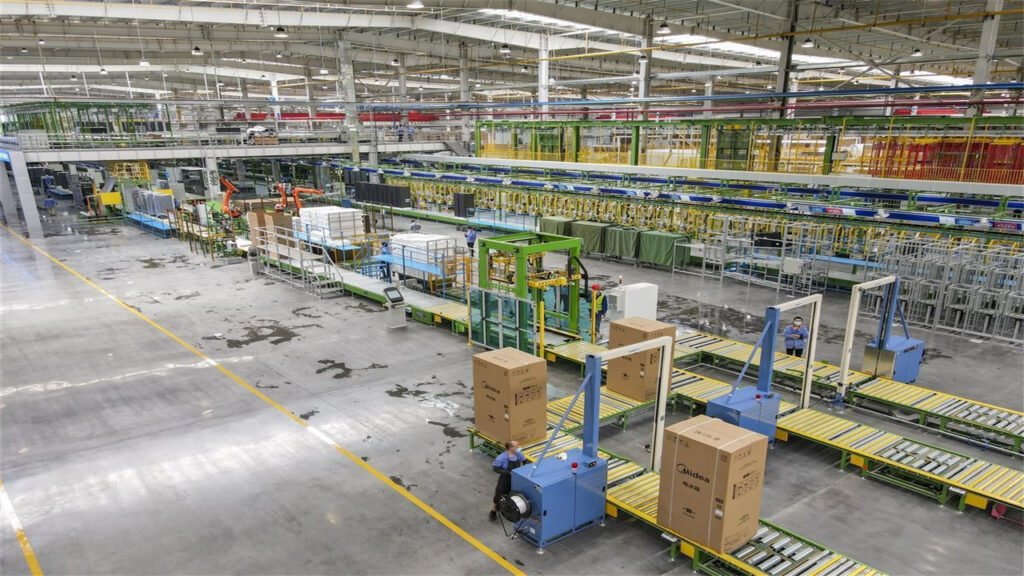
- Assembly Line Conveyors: Belt conveyors, chain conveyors, roller conveyors, etc. Consider load capacity, operational stability, wear resistance, and interfaces with automated equipment.
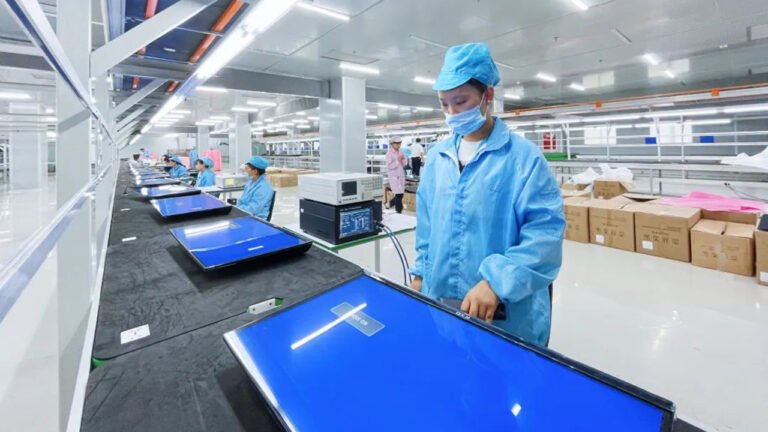
- Testing Systems: Include online testing (e.g., barcode/RFID traceability, visual inspection, leak testing, performance testing) and offline testing (comprehensive performance testing stations). This is critical for ensuring quality and should not be compromised in terms of investment.
- Material Handling Systems: AGV/RGV, robotic arms, lifters, etc. Evaluate their compatibility with production cycle times, positioning accuracy, and system integration capabilities.
3. Evaluate Suppliers and Integration Capabilities
- Supplier Qualifications and Experience:
- Choose suppliers with successful case studies and extensive experience in the white goods industry.
- Evaluate their R&D capabilities, equipment manufacturing quality (brands of key components such as PLCs, servo motors, sensors), project management, and installation/commissioning capabilities.
- Review their after-sales service network, spare parts supply speed, and training support.
- Turnkey and Integration Capabilities:
- For large projects, prioritize turnkey contractors capable of delivering “turnkey projects”, responsible for overall line planning, equipment supply, integration, commissioning, and training.
- Evaluate their IT integration capabilities: Whether production line data (OEE, output, quality data) can be integrated into the factory’s MES (Manufacturing Execution System) for digital management.
4. Conduct Detailed Cost-Benefit Analysis
- Initial Investment (CAPEX):
- Equipment procurement costs, installation and commissioning fees, factory renovation/infrastructure costs (power, air supply, environmental protection), training costs, etc.
- Operating Costs (OPEX):
- Energy consumption (electricity, compressed air), consumables (foaming agents, refrigerants), maintenance costs, spare parts, labor costs, floor space costs, etc.
- Return on Investment (ROI) Analysis:
- Calculate the benefits of the new production line: efficiency improvements (increased capacity, reduced cycle time), quality improvements (reduced defect and rework rates), labor savings, and energy consumption reduction.
- Comprehensively evaluate the payback period (typically 3–7 years).
5. Focus on Future Needs and Sustainability
- Scalability and Upgradability: Does the production line design allow for future capacity expansion or process upgrades?
- Energy Efficiency and Environmental Protection: Choose energy-efficient equipment (e.g., variable frequency drives), consider safety and environmental treatment systems for foaming agents (such as cyclopentane), and comply with increasingly stringent environmental regulations.
- Ergonomics and Safety: The design should comply with ergonomic principles to reduce worker fatigue and include comprehensive safety protections (light curtains, safety doors, emergency stop buttons, etc.).