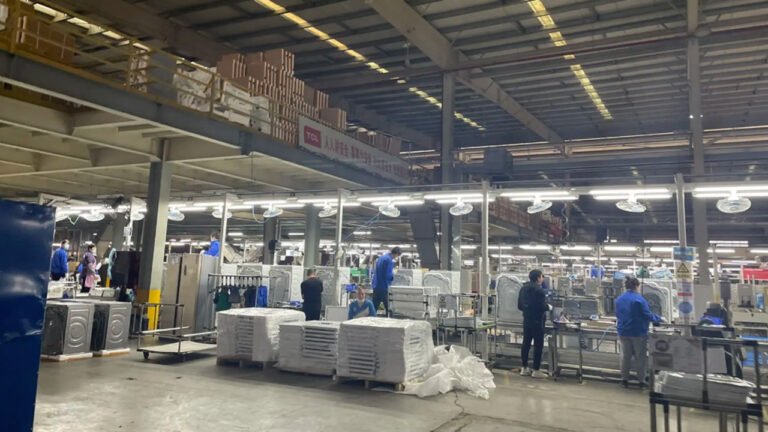
Bike Assembly Line—Bicycle Assembly Line Introduction—What is a Bike Assembly Line?
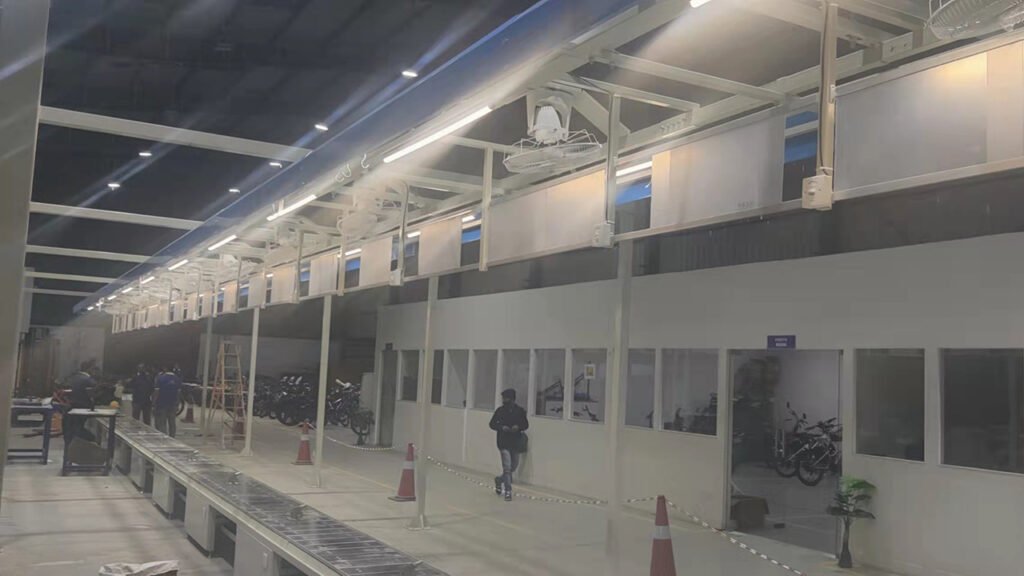
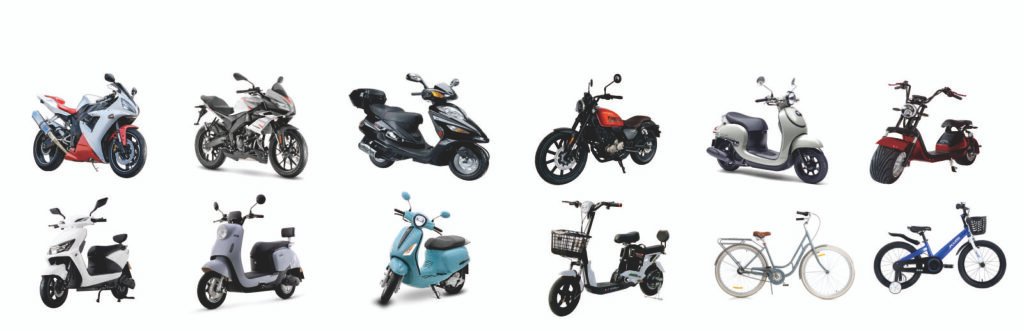
Bike Assembly Lines are suitable to Assemble/Produce Bicycles, Bikes, 2 wheel Motorcycles, 2 wheel Scooters, 2 wheel Electric-cycles, 2 wheel E-Bikes, and so on. (Sometimes, suitable for the production of Tricycles.)
I. Overview and Objectives
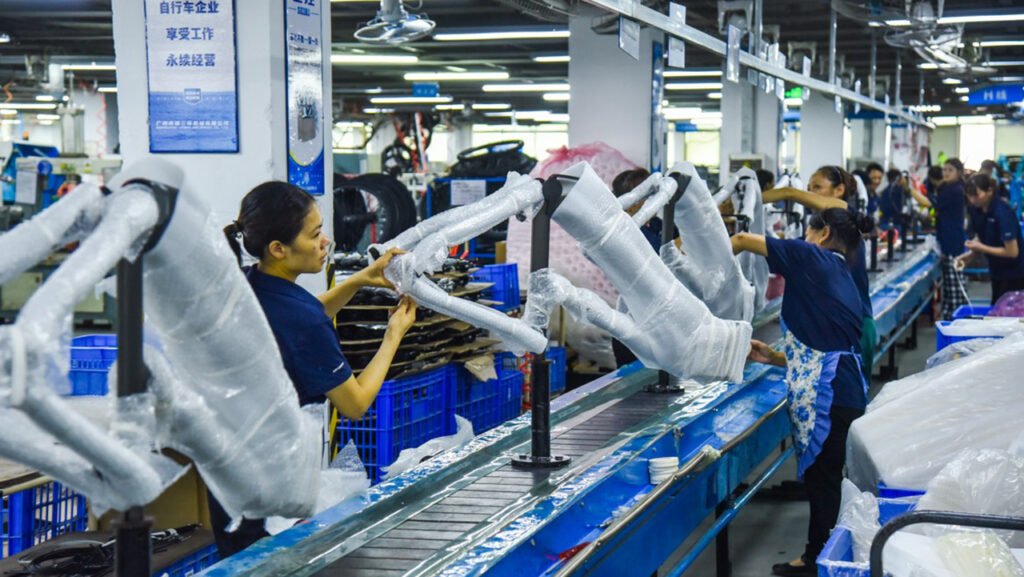
A bicycle assembly line is a specialized production system that efficiently assembles bicycle components—such as frames, forks, wheels, and drivetrains—into a complete, safe, and performance-ready bicycle through systematic and standardized processes. Its core objectives are:
- Ensure Consistent Quality: Guarantee that every bicycle leaving the line meets design specifications and safety standards through standardized operations and precision tools.
- Improve Production Efficiency: Utilize flow-line operations, decomposing and balancing assembly steps to significantly reduce unit assembly time and achieve scaled production.
- Achieve Lean Control: Minimize work-in-progress inventory, optimize material flow, reduce absolute reliance on individual operator skill, and make the production process transparent, controllable, and traceable.
- Ensure Product Safety: Fundamentally prevent safety hazards caused by improper assembly through torque control at critical stations and multiple testing points.
II. Core Design Philosophy
Modern bicycle assembly lines adhere to the following core principles:
- Single-Piece Flow: Each bicycle moves along the line as a single unit, reducing buildup and waiting times.
- Station-Based Work: The final assembly process is broken down into multiple logical stations, with each station performing specific tasks and operators specializing.
- Ergonomics: Workstations are designed rationally with materials within easy reach, minimizing bending and overreaching to protect worker health and improve efficiency.
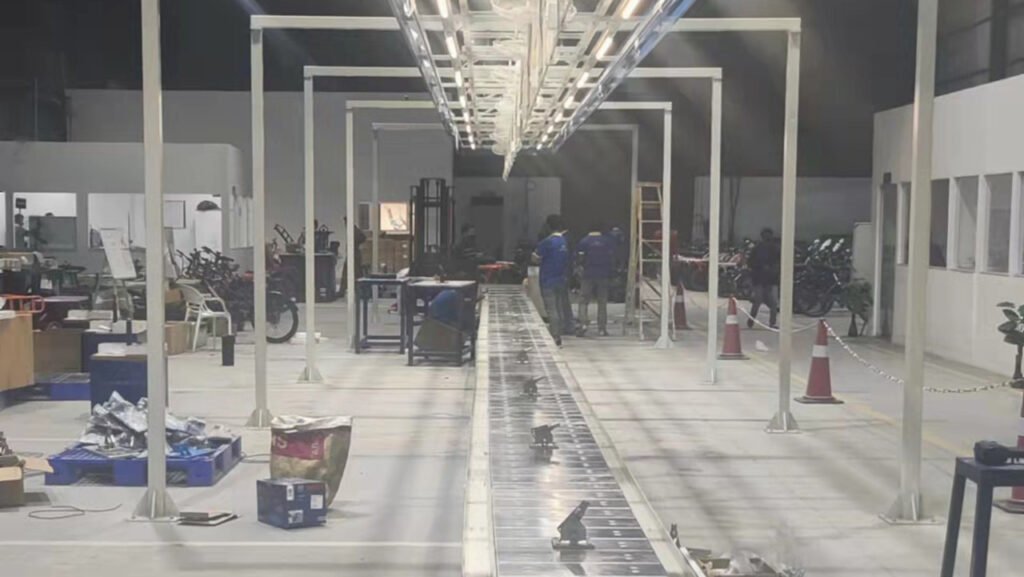
III. Main Assembly Process
A typical bicycle assembly line primarily consists of the following stages and stations:
| Stage | Station/Area | Key Task Description |
|---|---|---|
| Preparation & Launch | Frame Prep Area | Scan frame into the system, attach serial number, install basic accessories (e.g., seat clamp, cable guides). |
| Front-End Assembly | Fork & Steering System | Press headset, install fork and stem, completing the core assembly of the steering mechanism. |
| Drivetrain & Braking System | Install bottom bracket, crankset, front/rear derailleurs, brake calipers, and pre-route cables/housing. | |
| Mid-Stage Assembly | Wheels & Final Assembly | Install front/rear wheels, install chain, and connect derailleur and brake cables. |
| Cockpit System | Install handlebar, shift/brake levers, and saddle, completing the bike’s “profile.” | |
| Back-End Tuning | Precision Tuning Area | This is the technical core area: Precisely adjust front/rear derailleurs, calibrate brakes, and check torque on all fasteners. |
| Final Verification | Testing & Inspection Area | Functional Test: Simulate riding on a roller test stand, testing all gear shifts and brake functions. Final Visual Inspection: Comprehensive check of paint, accessories, and cleanliness. (For E-Bikes): Additional specialized tests for motor assist modes, battery function, controller diagnostics, etc. |
| Packing & Dispatch | Packing Area | Clean the bicycle, install packaging accessories (pedals, bell, etc.), and pack according to sales region (full bike box or semi-knocked-down box). |
IV. Key Equipment & Technical Support
- Specialized Tools (Optional):
- Torque Wrenches: Ensure precise and uniform tightening force for critical safety points (stem, seatpost, brakes).
- Pressing Tools: Used for components requiring press-fit assembly, such as headsets and bottom brackets.
- Tuning Tools: Derailleur tuning stands, brake alignment tools, etc.
- Testing Equipment (Optional):
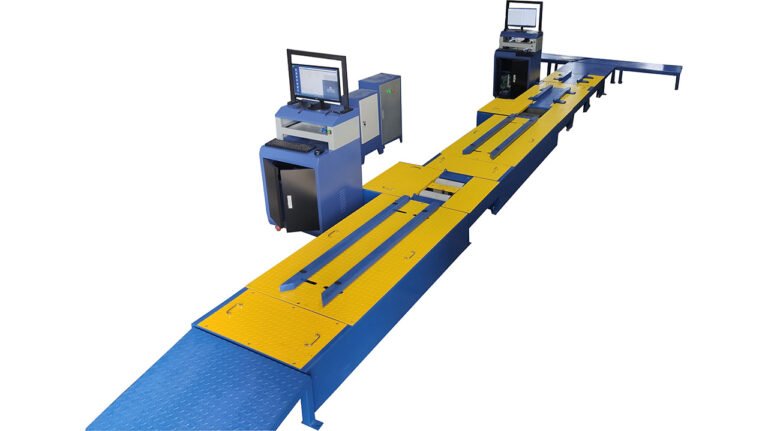
- Road Simulation Test Stand (Roller): Comprehensively tests bike performance without the bike touching the ground.
- E-Bike Test System: Integrated platform for electrical performance, assist curve, and range testing.
- Automated Inspection Equipment: Such as wheel truing/balancing machines, laser alignment gauges.
- Information Systems (Optional to update):
- Manufacturing Execution System (MES): Guides operations, records data, and enables traceability per bicycle.
- Andon System: Provides real-time feedback on line issues, summoning support.
- Electronic Work Instructions: Dynamically displays assembly guides for the current model on station monitors.
V. Assembly Line Layout Types
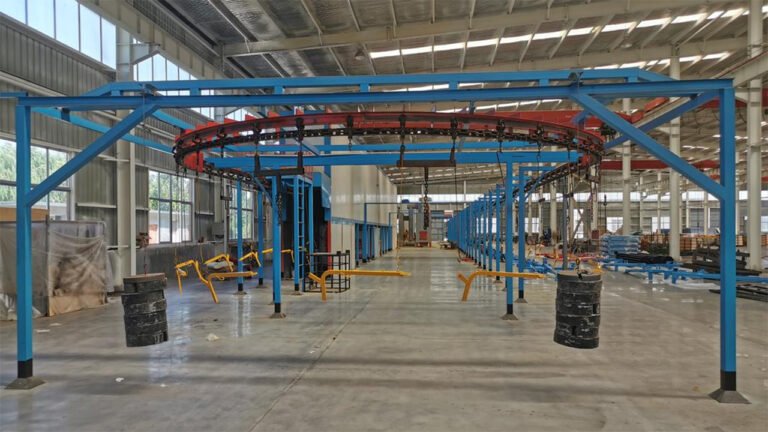
- Traditional Flow Line: Suitable for high-volume, standardized models. Fixed rhythm, high efficiency.
- Cellular Assembly: Suitable for high-mix, low-volume production (e.g., high-end custom bikes). A small team handles most of the assembly for one bike, offering high flexibility.
- Hybrid Layout: Combines the advantages of both. The front end uses a flow line for common operations, while the back-end tuning adopts a cellular approach.
VI. Value and Output
By implementing a professional bicycle assembly line, clients can achieve:
- Stable Product Quality, enhancing brand reputation and customer satisfaction.
- Predictable Production Capacity, better meeting market demand.
- Reduced Long-Term Costs by minimizing rework, scrap, and warranty claims.
- Data-Driven Decision Making, providing support for product improvement and supply chain management.
In summary, a modern bicycle assembly line is more than just a place for “assembly”; it is a “Product Value Realization Center” that integrates process engineering, quality management, and information technology. It is the key infrastructure enabling a bicycle brand to transition from “manufacturing” to “smart manufacturing,” ensuring product competitiveness and commercial success.
Characteristics of a Bicycle Assembly Line
How to set up a Bike Assembly Line factory?
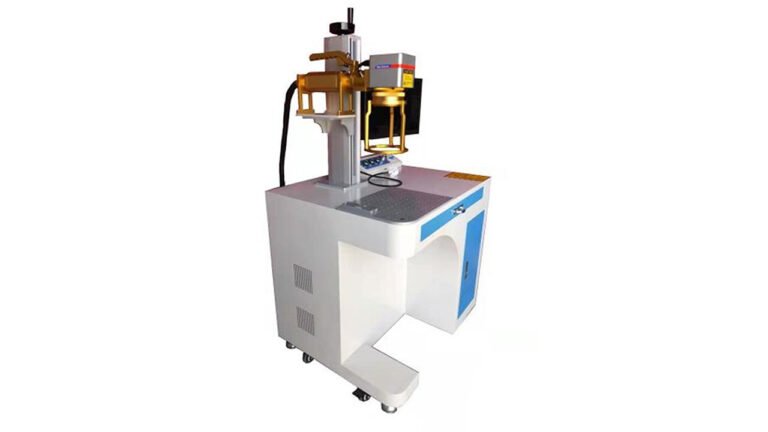
Looking for VIN marking machines? Contact us for more information.
Looking for air compressors? Contact us for more information.
Need assembly tools or other auxiliary equipment on the assembly line stations? Contact us for more information.
Looking for Bike components? Contact us for more information.