Instructions and Characteristics of Stainless Steel Deep Well Pump Assembly Line
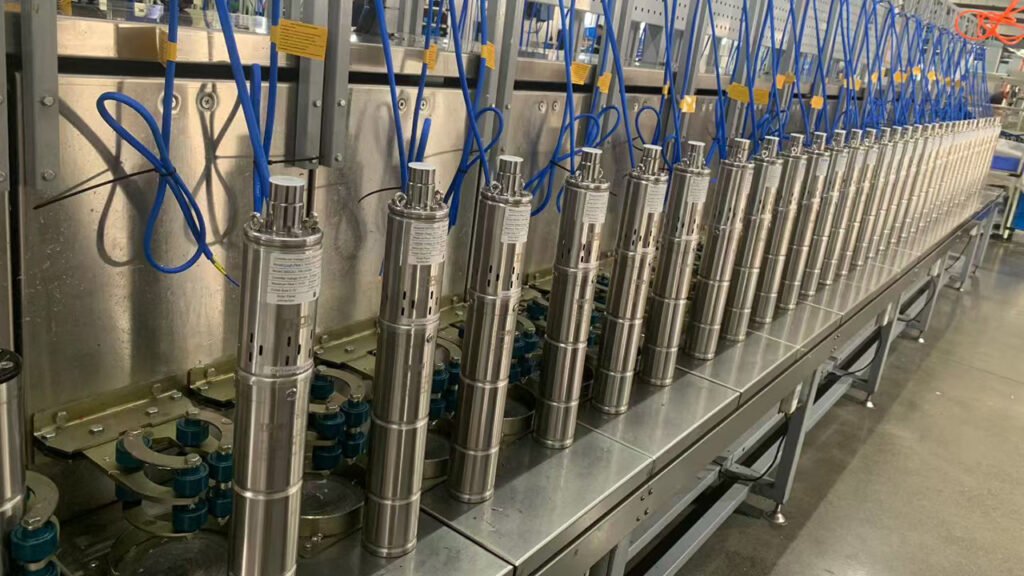
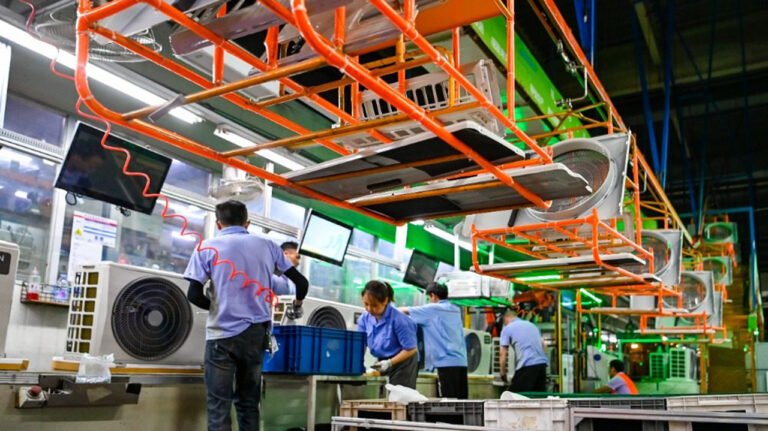
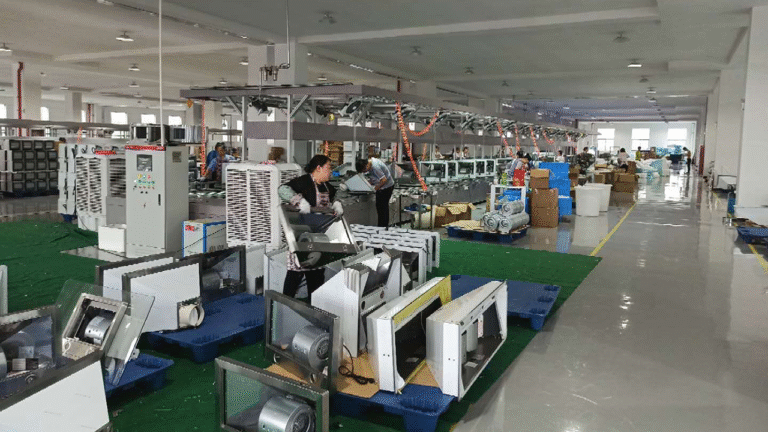
The Stainless Steel Deep Well Pump Assembly Line is designed for stainless steel deep well submersible pumps, enabling efficient, automated assembly and testing. It adopts a beat-type conveyor structure with dedicated stations for parts cleaning, motor and pump assembly, sealing, oil injection, cable fitting and full performance testing.
Key features include high-precision press-fitting, torque control and coaxiality calibration to ensure stability. Full-process leak detection, insulation and vibration testing guarantee waterproof and reliable operation. The line can adopt anti-rust fixtures, error-proof design and digital monitoring, supporting both semi-automatic and automatic modes. It delivers high efficiency, consistency and traceability, ideal for mass production of corrosion-resistant, high-standard deep well pumps.
Stainless Steel Deep Well Submersible Pump Assembly Lines/Production Lines are suitable to Assemble/Produce Deep Well Submersible Pumps. (If clients have more requirements or want to produce the other pumps, welcome to contact us.)
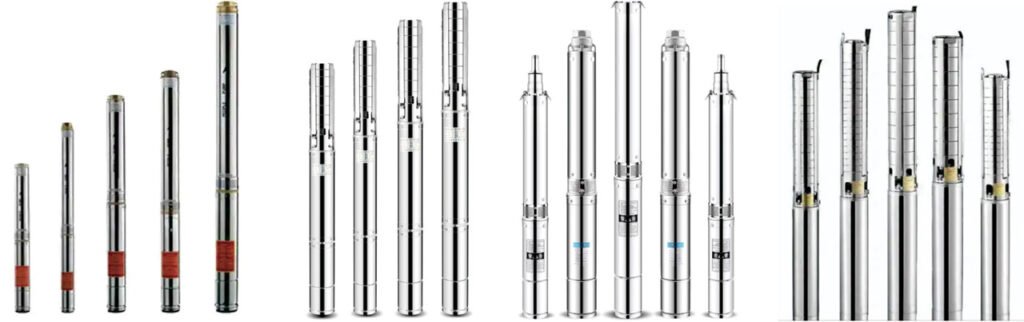
The stainless steel deep well pump assembly line is a continuous, semi-automatic or automatic production line specially designed for long-shaft multistage stainless steel submersible pumps. It is mainly used for precise assembly, testing and finished product delivery of pump bodies, motors, impellers, guide vanes, seals, cables and other components, meeting production requirements of high efficiency, high precision, high sealing performance and strong corrosion resistance.
1. Basic Description of the Assembly Line (Structure & Process)
1.1 Main Line Structure
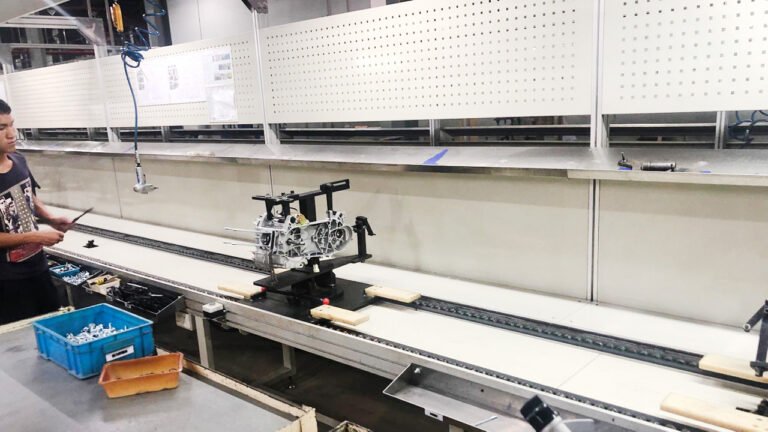
- Line type: Mainly uses circular rotary line, equipped with special fixtures (stainless steel/aluminum alloy).
- Station configuration: 10–16 standard stations for semi-automatic lines; 8–12 stations for fully automatic lines.
- Conveying mode: Continuous / beat-type conveying with positioning cylinders, stoppers and lifting turntables.
- Auxiliary facilities: Air supply, power supply, lighting, process boards, tool panels and anti-static devices.
1.2 Standard Assembly Process
- Parts feeding and cleaning: Cleaning, drying and anti-rust oil coating of stainless steel barrels, shafts, impellers, guide vanes and motor parts.
- Motor sub-assembly: Stator housing installation → bearing assembly → rotor press-fitting → thrust bearing assembly → end cover and oil seal installation.
- Pump body sub-assembly: Pump shaft positioning → sequential press-fitting / locking of multistage impellers and guide vanes → wear ring and seal installation.
- Pump-motor connection: Coupler connection, coaxiality calibration and bolt tightening (fixed torque).
- Sealing and oil injection: Vacuum oil injection (motor chamber) → O-ring and mechanical seal installation → leakage prevention testing.
- Cable assembly: Crimping, sealing fixation, waterproof connector and anti-pullout installation.
- Accessory assembly: Strainer, sand-proof cap, water outlet, base and lifting ring.
- Performance testing: Air tightness / hydrostatic test, insulation resistance, voltage withstand, no-load current, noise and vibration testing.
- Finished product delivery: Marking, packaging and warehousing.
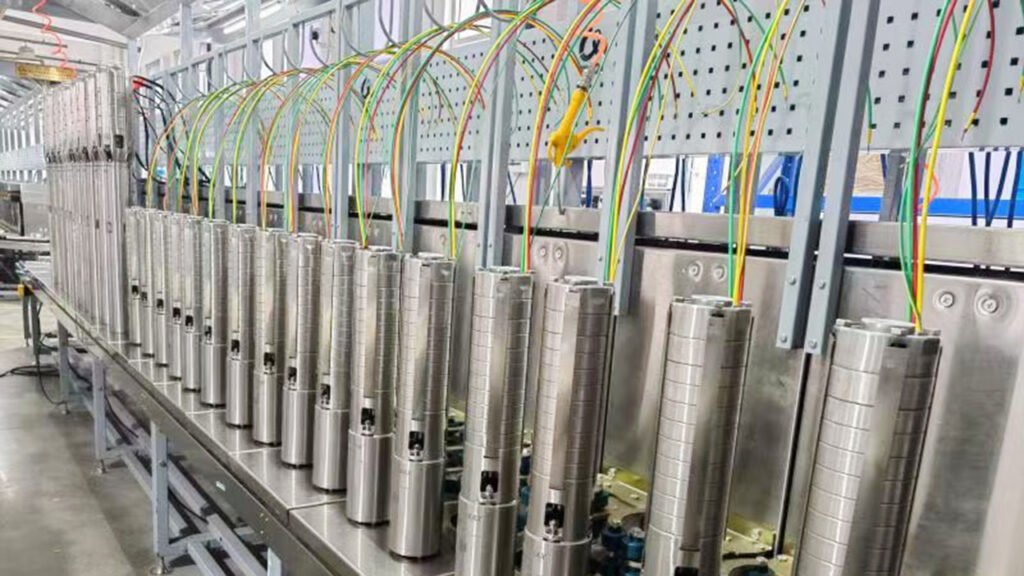
1.3 Core Equipment & Stations
- Automatic feeding system: Vibratory bowls, manipulators, storage bins and servo transplanting mechanisms.
- Press-fitting stations: Servo presses, hydraulic press machines (for impellers, bearings and end covers).
- Tightening stations: Fixed-torque electric / pneumatic wrenches, automatic screw locking machines.
- Oil injection and sealing stations: Vacuum oil fillers, helium / air leak detectors, waterproof test benches.
- Testing stations: Electrical performance test benches, vibration / noise analyzers, visual inspection (error-proofing).
- Control system: PLC + touch screen (HMI), MES, sensors and safety light curtains.
2. Core Characteristics
2.1 Material Adaptation & Corrosion Protection
- All line-contact parts (fixtures, tools, conveying surfaces) adopt 304/316 stainless steel or hard anodized aluminum alloy, preventing iron chip contamination, rust and wear.
- Special sealing stations ensure O-rings, mechanical seals and waterproof connectors are error-proof, scratch-proof and correctly installed.
- Cleanliness control: Closed / semi-closed line body, dust removal, dehumidification and anti-static design, suitable for food, seawater and chemical-grade stainless steel pumps.
2.2 High Precision & Consistency
- Multistage impeller assembly uses servo press-fitting with force and displacement control to ensure axial clearance, runout and coaxiality.
- Closed-loop torque monitoring for key bolts prevents loosening, under-tightening and over-tightening.
- Special centering fixtures and calibration tools guarantee coaxiality, reducing vibration, noise and wear.
- Online dimensional inspection for length, outer diameter, runout and sealing clearance.
2.3 Error Proofing (Poka-Yoke)(optional)
- Sensor / visual inspection to prevent missing installation of seals, gaskets, pins and screws.
- Fool-proof fixtures and code scanning ensure correct assembly direction.
- Process interlocking: Unfinished or unqualified products are blocked from entering the next station.
- Traceability: QR code / RFID records batches, processes, parameters and test results.
2.4 High Efficiency & Flexibility (take the example for your reference)
- Production beat: 90–120 seconds per unit (semi-automatic); 45–60 seconds per unit (automatic).
- Labor efficiency: 6–8 workers for 500 units (automatic), nearly double that of manual assembly.
- Quick changeover: Compatible with multiple models within 5 minutes via adjustable fixtures.
- Capacity: 400–600 units per shift; 800–1200 units for double shifts.
2.5 Sealing & Reliability Testing
- Motor chamber: Vacuum oil injection + pressure holding test for waterproof and oil-leakage prevention.
- Whole unit: 100% air / hydrostatic testing (0.2–1.0MPa) for leak detection.
- Electrical performance: Full inspection of insulation, voltage withstand, no-load current and temperature rise.
- Vibration and noise online monitoring with automatic isolation of non-conforming products.
2.6 Intelligence & Digitization (optional)
- PLC + MES for real-time monitoring of output, defect rate, OEE and equipment status.
- Full data collection of press-fitting force, displacement, torque, pressure, insulation and current.
- Remote operation and maintenance: Fault alarm, diagnosis, program update and production reports.
- Human-machine collaboration combines robots and manual work for efficiency and flexibility.
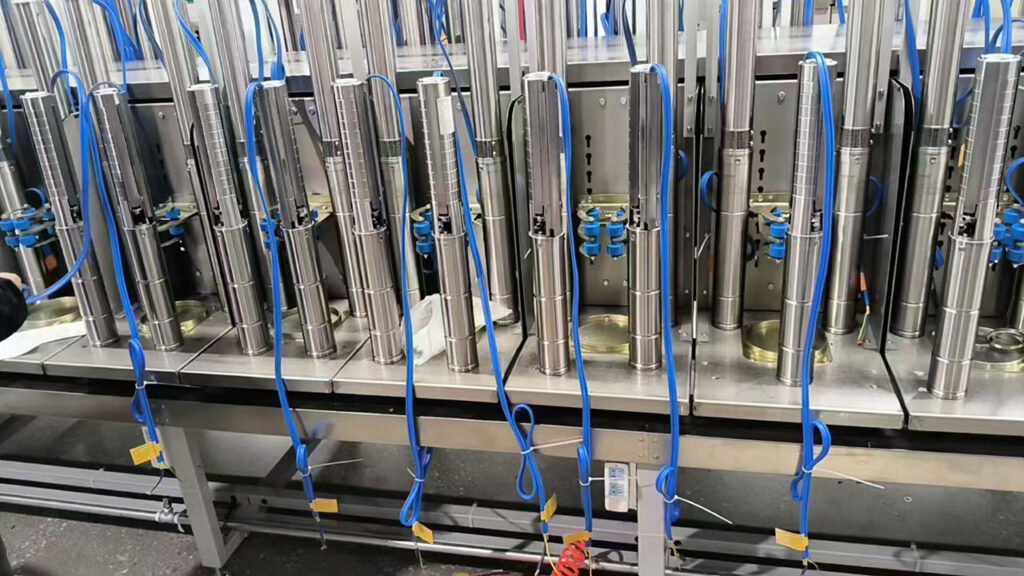
3. Semi-Automatic vs Fully Automatic Assembly Line
| Item | Semi-Automatic Line | Fully Automatic Line |
|---|---|---|
| Investment | Lower | Higher |
| Manpower | 8–15 workers | 5–10 workers (monitoring/feeding) |
| Designed Cycle Time | 90–240 seconds | 45–120 seconds |
| Flexibility | High (quick changeover) | Medium (specialized machines) |
| Pass Rate | 98–99% | Over 99.5% |
| Application | Multi-variety, medium-small batch | Single / few varieties, mass production |
4. Application Scope
- Civil / industrial stainless steel deep well pumps (304/316, 4/6/8 inches, multistage submersible pumps).
- Seawater pumps, chemical pumps, food-grade sanitary pumps (high cleanliness, high sealing, corrosion resistance).
5. Summary
The stainless steel deep well pump assembly line focuses on high precision, strong sealing, full error-proofing, digitization and corrosion adaptation. It meets high-efficiency mass production while ensuring the strict quality required for long-term reliable underwater operation of deep well pumps, representing a typical application of intelligent manufacturing in the pump industry.
Horizontal Tightening Machine for Submersible Pump Outlet Connector