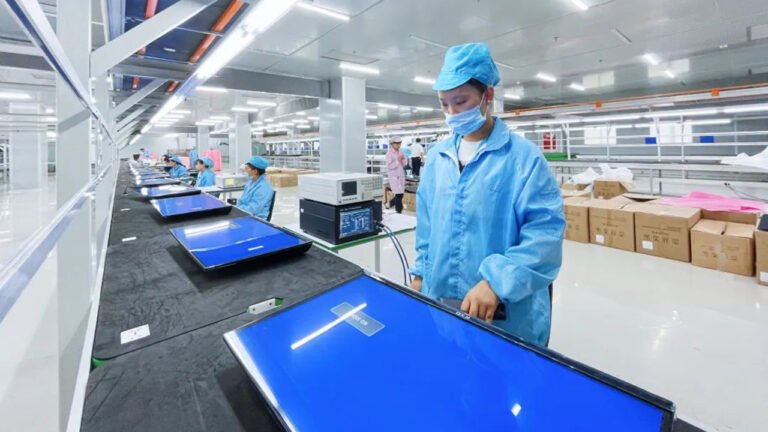
Unpowered Roller Conveyor Line—Conveyor Without Motor—Non-Powered Roller Conveyor
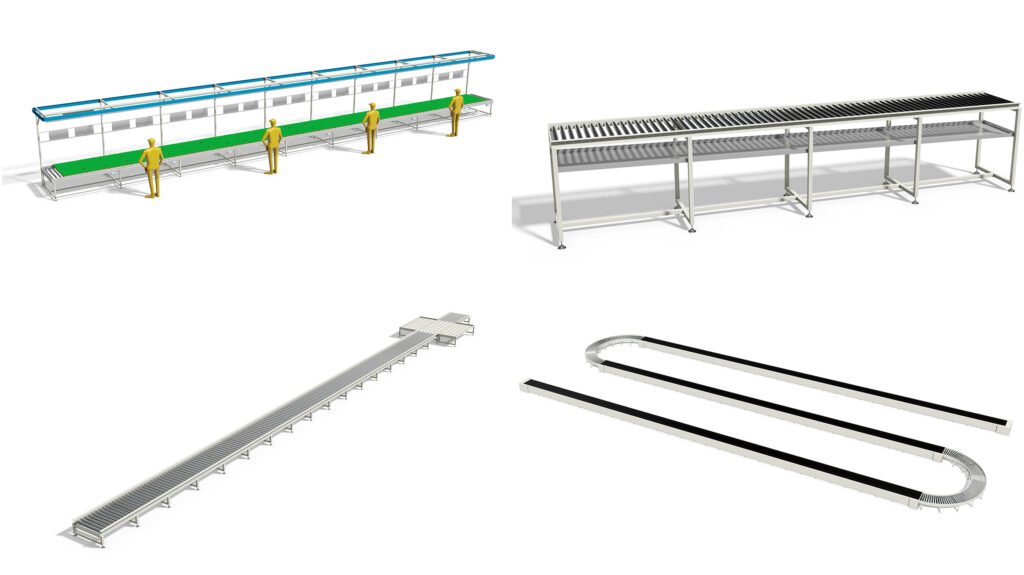
Unpowered roller conveyor is a non-motorized conveying device that relies on gravity or manual pushing to transport flat-bottom goods such as cartons and boxes. It has a simple structure, low cost and easy maintenance, and can be straight, inclined or curved.
It is widely used in logistics, warehousing, assembly lines, e-commerce sorting and workshops for short-distance transfer and temporary storage. It is suitable for light and medium loads, but not for bulk or irregular goods.
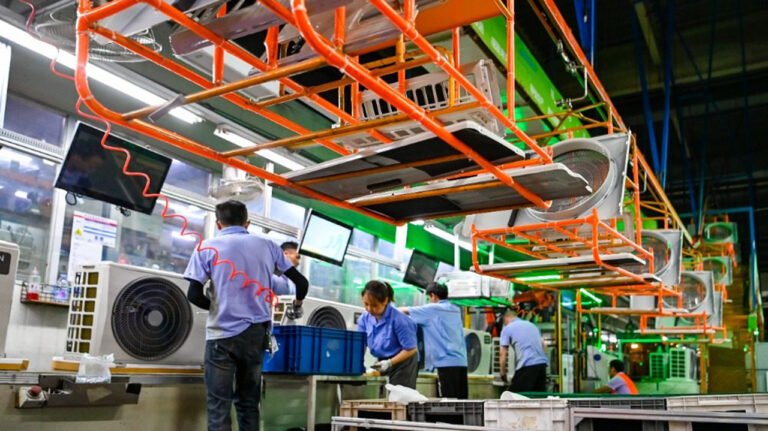
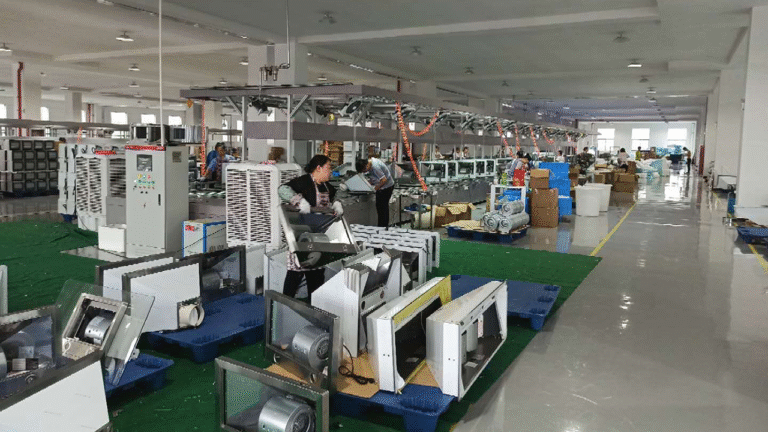
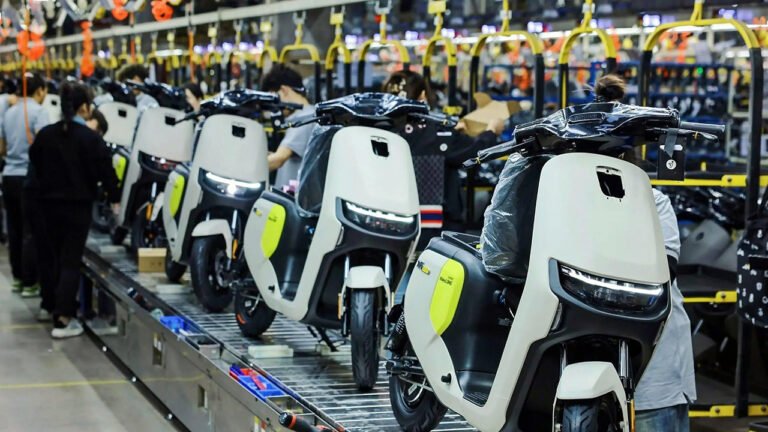
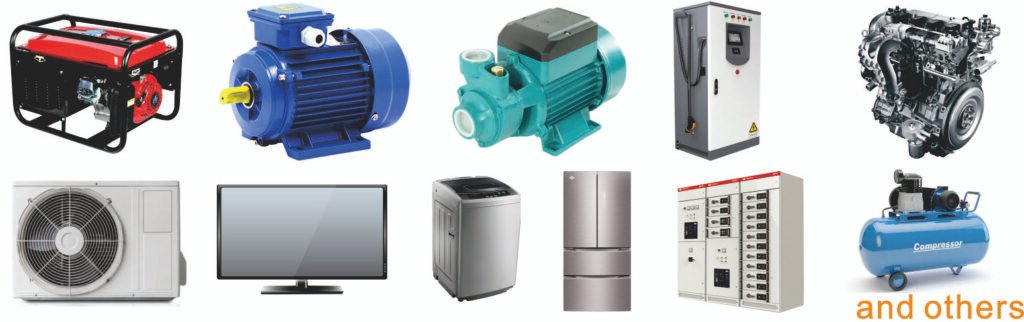
Slat Chain Conveyors are suitable to Assemble/Produce Motorcycles, Tricycles, Automobiles, Hardware and Electrical Machinery, Household Appliance and so on. (If clients have more requirements or want to produce products, welcome to contact us.)
1. Description
Unpowered roller conveyor line is a low-cost conveying equipment without motor or drive. Items move forward on rollers by gravity (inclined installation), manual pushing or thrust between goods. It features simple structure, minimal maintenance and extremely low cost.
1.1 Basic Structure
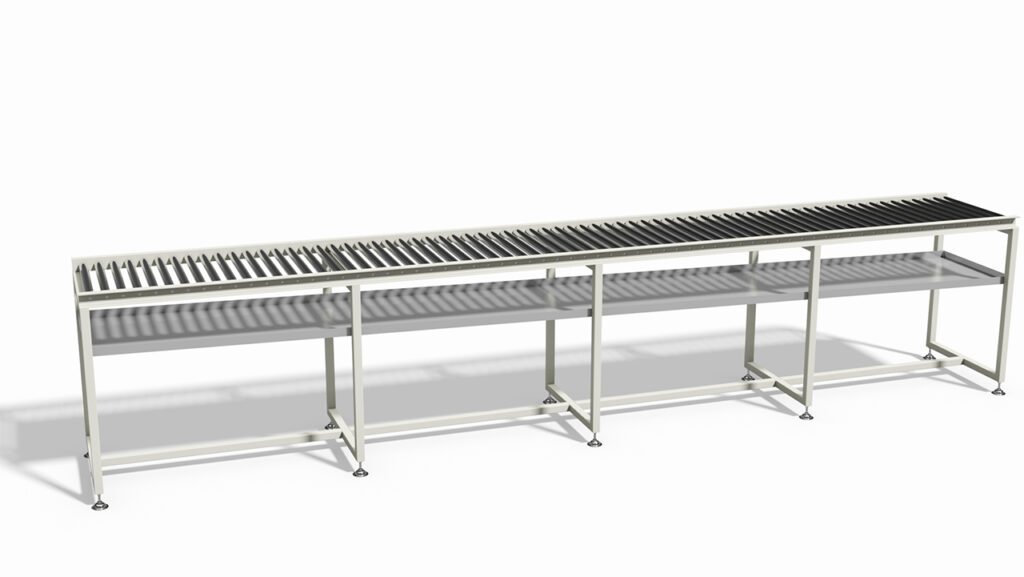
- Rollers: Carbon steel, stainless steel, galvanized or rubber-coated, free rotating; spacing customized according to cargo size (commonly 100–150mm).
- Frame: Welded square steel or angle steel, supporting rollers; can be horizontal, inclined or curved (90°/180°).
- Accessories: Side guards, stoppers, guide bars, height-adjustable feet or casters, accumulating rollers.
1.2 Working Principle
- Horizontal layout: Driven entirely by manual pushing or extrusion from subsequent goods.
- Inclined layout: Installed at a slight slope of 3°–5°, allowing goods to slide down by self-gravity; speed controlled by slope and friction.
- No power, no energy consumption, no electrical control: Only relies on rolling friction of rollers.
1.3 Key Features
- ✅ Ultra-low cost: No motor, reducer or electrical control; investment and maintenance cost much lower than powered lines.
- ✅ Simple structure: Easy installation, splicing and modification; suitable for temporary lines.
- ✅ Minimal maintenance: Only regular bearing lubrication and debris cleaning required.
- ✅ Strong adaptability: Straight, curved, diverging or merging layout; seamless connection with other equipment.
- ✅ Light to medium load: Single roller normally ≤ 200kg; suitable for cartons, turnover boxes, pallets, etc.
- ❌ Uncontrollable speed: Dependent on slope or manpower; generally < 0.5m/s, not suitable for high-speed or strict beat production.
- ❌ Only for flat-bottom goods: Unflat-bottom, bulk or small items must be placed on pallets or turnover boxes.
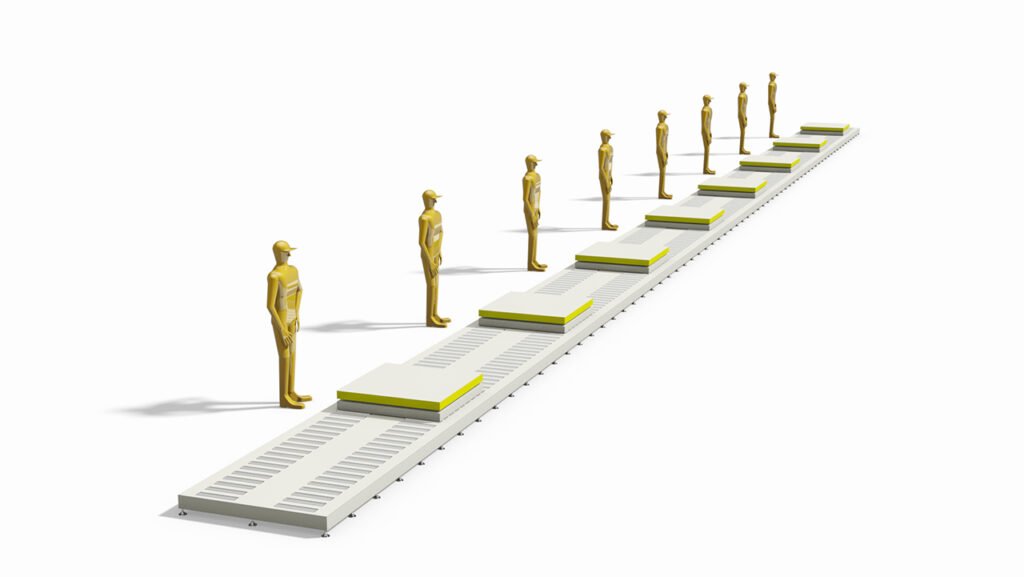
1.4 Common Specifications (Reference)
- Roller diameter: φ25/38/50/60/76/89mm
- Roller length: 100–2000mm (according to cargo width)
- Conveyor length: 0.5–8m per section, multiple sections connectable
- Inclination angle: horizontal / 3° / 5° (common)
- Load capacity: Single unit ≤ 500kg (light-duty type)
2. Application Scope
2.1 Applicable Scenarios
- Logistics & Warehousing: Inbound temporary storage, outbound sorting, packing station connection, picking assistance, return processing.
- Production Workshops: Transfer between assembly stations, buffer before/after packaging lines, temporary parts storage, material flow for small production lines.
- E-commerce & Express Delivery: Manual sorting lines, small parcel collecting areas, return sorting, temporary turnover.
- Supermarkets & Retail: Backstore cargo arrangement, replenishment conveying, checkout packing, warehouse short-distance transfer.
- Light Industry & Electronics: Carton/turnover box conveying, finished product offline, semi-finished product storage, testing station transfer.
- Temporary / Emergency Use: Exhibitions, exhibition logistics, workshop temporary modification, seasonal capacity expansion.
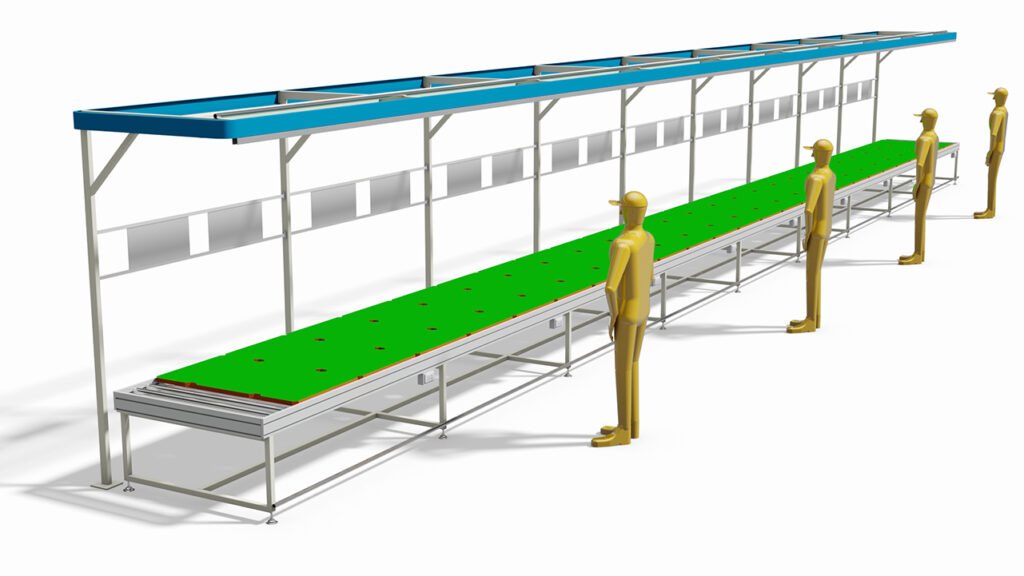
2.2 Applicable Goods (Must be flat-bottom)
- Cartons, plastic turnover boxes, wooden cases, pallets, metal boxes
- Flat-bottom parts, home appliances, hardware, food boxes
- Small/bulk items: Must be conveyed in pallets or turnover boxes
2.3 Inapplicable Scenarios
- High-speed, long-distance or automatic strict-beat production lines (powered roller / belt lines required).
- Soft-bottom, irregular, easily rolling bulk materials (granules, powder, naked small parts).
- Heavy load (single unit > 500kg), frequent start-stop, high-precision positioning working conditions.
- Humid, corrosive, high-temperature (over 80℃) environments without special anti-corrosion / heat-resistant rollers.
3. Selection Key Points
- Goods: Flat bottom, single piece ≤ 200kg, width < effective roller length.
- Distance: Short distance (≤10m), manual assistance or gravity sliding.
- Speed: No strict beat, manual intervention allowed.
- Budget: Low cost, low maintenance, temporary / auxiliary conveying.
- Environment: Normal temperature, dry, non-strongly corrosive.